

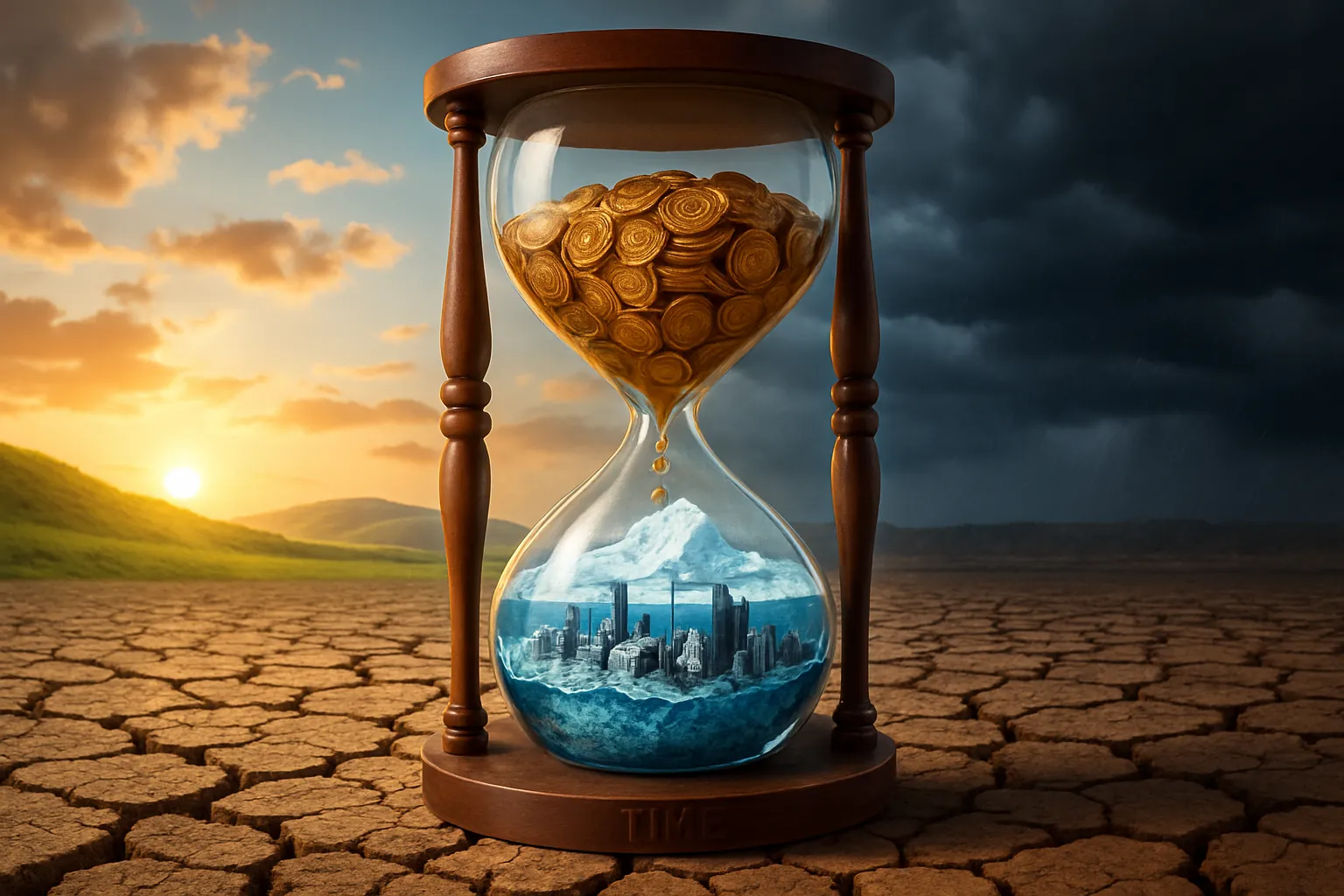
Disproportionate Contributions by Wealthiest Individuals
The wealthiest 10% of the global population have contributed nearly two-thirds of global warming since 1990, according to a new landmark study published in Nature Climate Change. More starkly, the top 1% alone are responsible for one-fifth of the total increase in global temperatures over this period. Researchers from Germany, Switzerland, Austria, and Australia collaborated to conduct one of the most comprehensive assessments yet to link income levels directly with greenhouse gas emissions and consequential climate extremes.
This detailed analysis utilized economic data paired with climate modeling to systematically trace emissions back to different income groups, specifically focusing on affluent individuals whose high levels of consumption and investment significantly amplify their carbon footprints. Their findings show that emissions inequality isn’t just a global issue but is pronounced nationally, particularly within major polluters like the United States and China. The richest 10% in these countries have amplified heat extremes across vulnerable regions internationally, exacerbating climate injustice.
“There is a clear and significant disparity in responsibility for emissions, translating directly into climate impacts disproportionately borne by the poorest and most vulnerable populations globally,” the researchers emphasized in their report.
According to the study’s authors, individual contributions from wealthy populations in high-emission countries such as the U.S. and China were found to range from 7 to 26 times above the global average in terms of causing severe climatic events. These events notably include heatwaves and droughts, dramatically impacting vulnerable ecosystems like the Amazon rainforest.
Financial Impacts and Climate Justice Concerns
The economic implications of climate-related disasters have also been significant, with costs averaging approximately $143 billion annually over the past twenty years. This has sparked intensive discussions among policymakers, activists, and environmentalists about how these substantial costs should be allocated internationally. Central to this debate is the concept of climate equity which argues that responsibility for damages should correspond to the scale of emissions produced.
Highlighting this disparity, the research underscores that more than half of full-time workers in developed nations like the United Kingdom fall within the global top 10% of income earners. Consequently, these employees share heightened responsibility for the ongoing climate crisis, despite many not recognizing their outsized impact. This realization could reshape public policy and societal norms, prompting policies that harmonize economic activities with environmental sustainability.
“Targeted measures, including wealth taxes and climate finance schemes that specifically address emissions from affluent individuals, can play a pivotal role in driving effective climate actions,” environmental policy analyst Dr. Sarah Schoengart noted.
The research also demonstrates that the richest 10% globally accounted for nearly half of total emissions in 2019, while at the opposite end of the spectrum, the poorest 50% were responsible for only 10% of emissions. This striking imbalance has intensified calls for equitable climate finance policies aimed at compelling high emitters to pay their fair share. Such policies aim not only to curb emissions but also to provide vital financial support for developing countries, assisting their climate resilience and adaptation efforts.
Historical Context and Policy Implications
Historically, the climate crisis has largely been framed as a global issue without fully addressing the uneven responsibilities carried by different societal segments. This recent study makes a significant contribution by quantifying exactly how lifestyle and investment choices among the wealthy directly contribute to catastrophic climate events. Climate inequality analysis, a relatively new but swiftly growing area of environmental research, seeks to address this gap by attributing specific impacts to socio-economic groups.
Considering the historical data, if global emissions patterns had mirrored those of the least affluent half of the population since 1990, almost no additional warming would have occurred. This revelation displays starkly how wealth-driven emissions have disproportionately driven recent climate change, stressing the urgency of integrating economic fairness into global climate policy discussions.
“Understanding the historical responsibility of wealthier populations provides crucial insights for designing equitable climate policies,” remarked an environmental economist involved in the study.
Given these findings, policymakers face new pressures to recalibrate international climate strategies. Effective policy interventions might include stronger regulatory oversight of emissions from private investments, comprehensive taxation on high-income groups’ carbon footprints, and substantial increases in international climate finance to aid vulnerable nations in coping with climate impacts. Such approaches tie ecological sustainability directly to economic fairness, potentially fostering broader societal shifts towards accountability and sustainability in climate action.