

US Imposes New Sanctions to Thwart Iranian Oil Exports
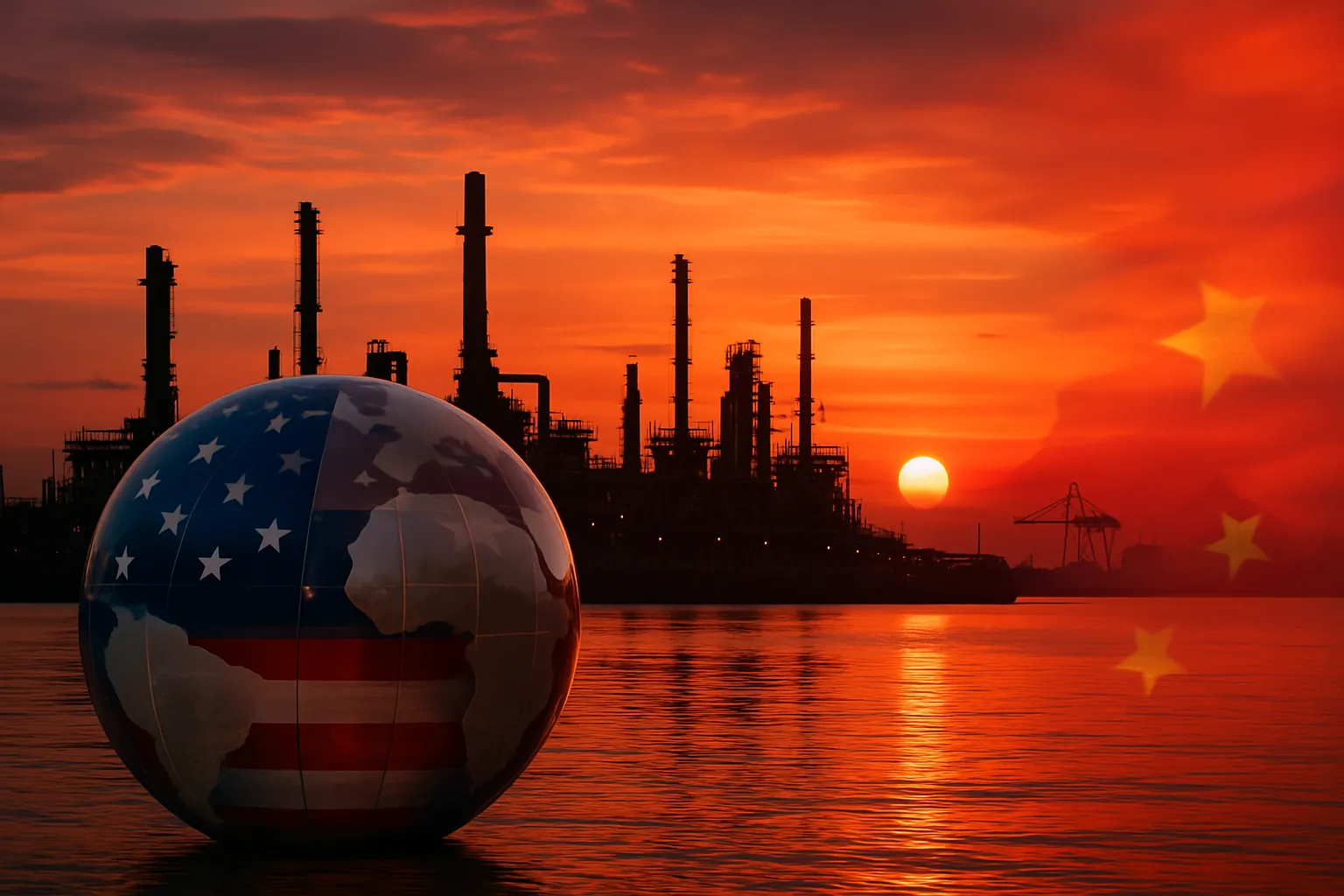
In its latest move aiming to curtail Iranian oil exports, the United States Treasury Department announced sanctions against Hebei Xinhai Chemical Group, a Chinese independent refinery known widely as a “teapot refinery,” along with three port terminal operators located in Shandong Province, China. The sanctions were issued as part of an ongoing campaign by the Trump administration aimed at exerting “maximum pressure” on Iran’s economic channels, particularly targeting mechanisms that allow revenue generation to support Tehran’s military endeavors.
The sanctioned entities are accused of facilitating and handling Iranian crude oil transactions amounting to hundreds of millions of dollars. Specifically, the Treasury targeted Hebei Xinhai Chemical Group for its repeated role in receiving significant Iranian oil shipments. Complementing these direct actions against the refinery, sanctions have also been applied to Singapore-based oil broker Xing AO Energy PTE. LTD. for actively facilitating the transfer of oil between Iranian sources and the Chinese refinery.
Vessels identified by US authorities in Iran’s “shadow fleet” include STAR TWINKLE 6, LAMD, SKADI, BIG MAG, IMPALAS, and THANE. Each has reportedly conducted ship-to-ship transfers aimed at obscuring the oil’s Iranian origins, in violation of existing sanctions protocols.
“Today’s action underscores our determination to confront entities that knowingly evade sanctions and help fund Iran’s destabilizing activities,” said Treasury Secretary Scott Bessent, elaborating on the extent of the sanctions regime.
The impact of these actions is substantial: properties and financial interests held by these entities within U.S. jurisdiction are now blocked, barring American individuals and corporations from engaging in any business transactions with them.
Impact on Chinese Refineries and the Global Oil Trade
This measure marks the third instance where U.S. sanctions have specifically targeted the Chinese independent refining industry since the initiation of President Trump’s stringent sanctions policy against Iran. Past sanctions, similarly imposed, proved highly effective. They disrupted crude oil shipments to smaller Chinese refiners, forcing some to halt their purchases altogether or resort to selling rebranded products. These disruptions have since created a ripple effect, deterring larger independent Chinese refiners from purchasing Iranian crude due to concerns of becoming sanctioned themselves.
Teapot refineries, small-scale operations typically owned independently rather than by state-run enterprises, have traditionally been flexible participants in global oil markets, taking advantage of their smaller size and less direct oversight to acquire oil from sanctioned entities like Iran and Russia. However, escalating U.S. economic actions have increasingly restricted their operational flexibility and access to vital crude supplies.
The U.S. administration clearly seeks dual outcomes from these sanctions: limiting Iran’s access to funding for its controversial military and regional activities, and signaling strong deterrence against international entities that might otherwise engage in illicit transactions.
“We will continue to rigorously enforce our sanctions until Iran’s government ends its destabilizing behavior and returns to meaningful negotiations regarding its nuclear commitments,” a senior Treasury official stated following the announcement.
These recent sanctions also coincide with continuing discussions surrounding the Iranian nuclear program, which adds layers of diplomatic complexity to international relations. Despite administration efforts at diplomatic engagement, the sanctions illustrate a continuing, assertive stance against Iran’s oil industry.
Historical Context and Broader Policy Implications
The current sanctions regime is deeply rooted in historical confrontations between the United States and Iran, particularly concerning nuclear armament and the support of various proxy entities in Middle East conflicts. Since exiting the 2015 Joint Comprehensive Plan of Action (JCPOA) in 2018, the Trump administration has significantly intensified economic pressure on Iran, primarily through stringent oil export sanctions. Oil revenue traditionally constitutes a vital lifeline for Iran’s economy, underpinning not only domestic stability but also external military and political influence in the region.
Under the “maximum pressure” strategy, the U.S. imposed broad sanctions targeting Iran’s petrochemical industry, banking sectors, and transportation networks, significantly reducing Tehran’s export capabilities. These moves have exacerbated economic hardships within Iran, leading to inflation and shortages, but have yet to produce a new agreement with clear restraints on Iran’s nuclear ambitions.
On the Chinese side, the repeated targeting of independent refineries underscores growing scrutiny of their role in supporting sanctioned regimes. Historically, China’s small-scale refineries have been instrumental in circumventing international restrictions. Their previous dealings with North Korea and Russia have drawn similar criticism from the international community, demonstrating a pattern of exploiting economic opportunities presented by sanctioned states.
Experts suggest these latest sanctions carry strategic signals for global markets. Not only do they reflect continuing tensions between the U.S. and Iran but they also represent a stern warning to global companies and financial institutions regarding the potential risks and penalties associated with coordinating commercial activities with sanctioned entities.
The broader consequence is likely a sustained period of increased vigilance among international oil traders and financial institutions, potentially affecting oil prices and global supply chains. Although the immediate economic impact of these sanctions on global markets may be limited, their political implications—such as increased diplomatic friction between China and the United States—could have enduring ramifications.
“Economic sanctions are designed to alter behavior through economic pressure, but their political consequences can extend well beyond financial metrics,” noted international policy analyst Dr. Mei-Ling Zhao.
As diplomatic negotiations continue regarding Iran’s nuclear program, the evolving sanctions regime underscores the intricate geopolitics of energy trade, international diplomacy, and economic enforcement, making it a topic of intense international interest and scrutiny.