

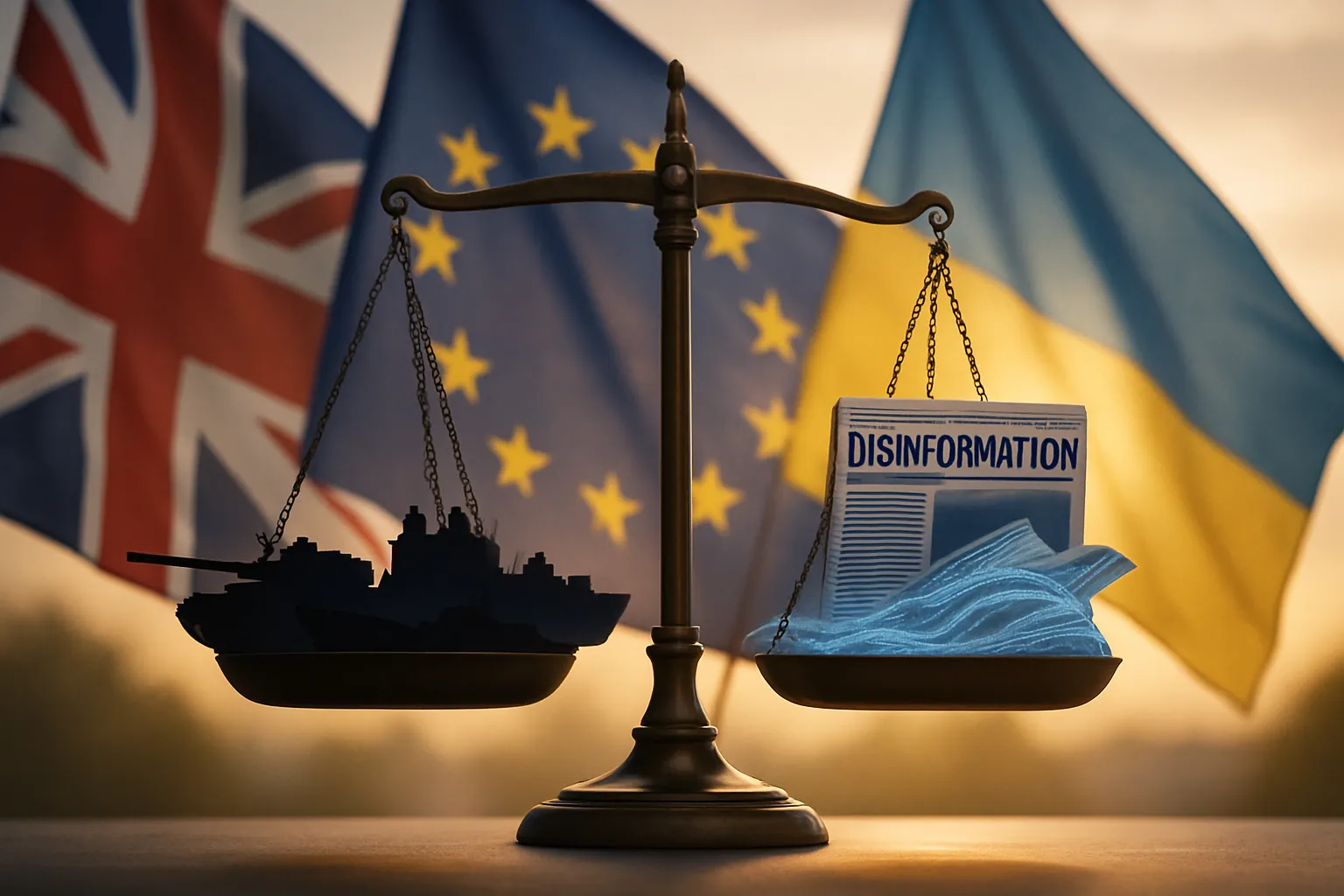
Britain and EU Strengthen Sanctions Amid Escalating Conflict
The United Kingdom and European Union have significantly intensified their sanctions against Russia, targeting major sectors such as military, energy, and finance, following a substantial escalation in Russia’s drone attacks on Ukraine. Recent measures added over 100 new targets, specifically focusing on disrupting Russia’s weapon systems supply chains, Kremlin-backed misinformation campaigns, and financial entities that help evade prior sanctions. The British government has also sanctioned 18 additional vessels implicated in Russia’s “shadow fleet,” a network of oil tankers operating covertly to bypass international restrictions.
These new measures were driven by Russia’s largest drone strike against Ukrainian cities on May 18, involving 273 drones launched overnight. British Foreign Secretary David Lammy has underscored the necessity of an immediate ceasefire, urging Russian President Vladimir Putin to commit straightforwardly to peace negotiations. Lammy stated clearly that the sanctions aim to “restrict Putin’s war machine,” highlighting the resolve of the UK and its international partners to limit Russia’s operational and financial capabilities.
“We urge Vladimir Putin to agree to an immediate, unconditional ceasefire,” said David Lammy, adding, “These sanctions demonstrate our firm commitment to peace and security, as well as our determination to disrupt Russia’s war efforts.”
Prime Minister Keir Starmer, alongside various European leaders, has emphasized the importance of unified international action, urging the United States to reciprocate with equivalent restrictions. The new European sanctions package, the EU’s 17th comprehensive response, explicitly targets entities supporting Russia’s military, energy exports, propaganda networks, and institutions crucial to financial sanctions evasion.
Expanded Sanctions Focus on Russia’s Shadow Fleet
A significant aspect of the enhanced sanctions targets Russia’s “shadow fleet” of oil tankers. This fleet emerged after initial European and Western sanctions on Russian oil exports and related services were introduced in 2022, aiming to curtail the revenues funding Russia’s military operations in Ukraine. The UK and EU have collectively sanctioned nearly 200 shadow fleet vessels, with unclear ownership, often sailing without proper insurance coverage, making them difficult to track and control effectively.
British and EU officials argue that these tankers enable Russia to continue significant trade activities despite the international embargoes. By specifically targeting these vessels, the sanctions aim to tighten restrictions on Russia’s oil revenues significantly. Officials, including EU foreign policy chief Kaja Kallas, warned that sanctions would continue intensifying should Moscow persist in prolonging the conflict.
“The longer Russia continues its aggression, the more severe our response must become,” Kallas stated. “These sanctions send a clear message: ongoing hostility will only deepen Russia’s economic isolation.”
Furthermore, the UK government is considering further tightening the existing price cap on Russian crude oil, currently set at $60 per barrel, to further limit Moscow’s income streams. Analysts note that stricter price controls could profoundly restrict Russia’s financial ability to sustain long-term military actions, effectively pressuring it towards meaningful negotiations.
Historical Context and Broader Implications
The current round of sanctions represents a continuation of an extensive policy response against Russia, following its full-scale invasion of Ukraine in February 2022. Sanctions have progressively expanded, initially focusing on individuals and companies directly involved in military aggression, and later extending to broader economic sectors crucial to funding Russia’s military initiatives.
Since the invasion’s onset, sanctions have aimed to weaken Russia’s economy and financial infrastructure systematically. Measures have included cutting off prominent Russian banks from the SWIFT international payment system, freezing overseas assets of oligarchs, restricting technology exports, and placing constraints on energy sales—particularly oil—which remain critical to the Russian budget.
According to recent estimates, Western sanctions have substantially impacted Russia’s economy, with the International Monetary Fund (IMF) predicting a continued contraction in Russia’s GDP. However, analysts argue that sanctions alone might be insufficient without sustained diplomatic efforts geared towards facilitating direct dialogue and peace negotiations between Russia and Ukraine.
Ukrainian President Volodymyr Zelenskyy expressed appreciation for the intensified sanctions, noting: “Sanctions matter. Severely restricting the Russian tanker fleet reduces the war’s financial lifeline and takes us closer to peace.”
The UK and EU’s strengthened sanctions represent continued international determination to curb Russia’s aggressive actions through economic means. Nevertheless, experts emphasize the necessity of coupling these sanctions with vigorous diplomatic initiatives, signaling that international pressure ultimately seeks to steer the conflict towards resolution via peaceful dialogue. Observers await further actions from significant global actors, notably the United States, whose recent diplomatic engagements have been criticized for insufficiently pressuring Russia into meaningful peace negotiations.