

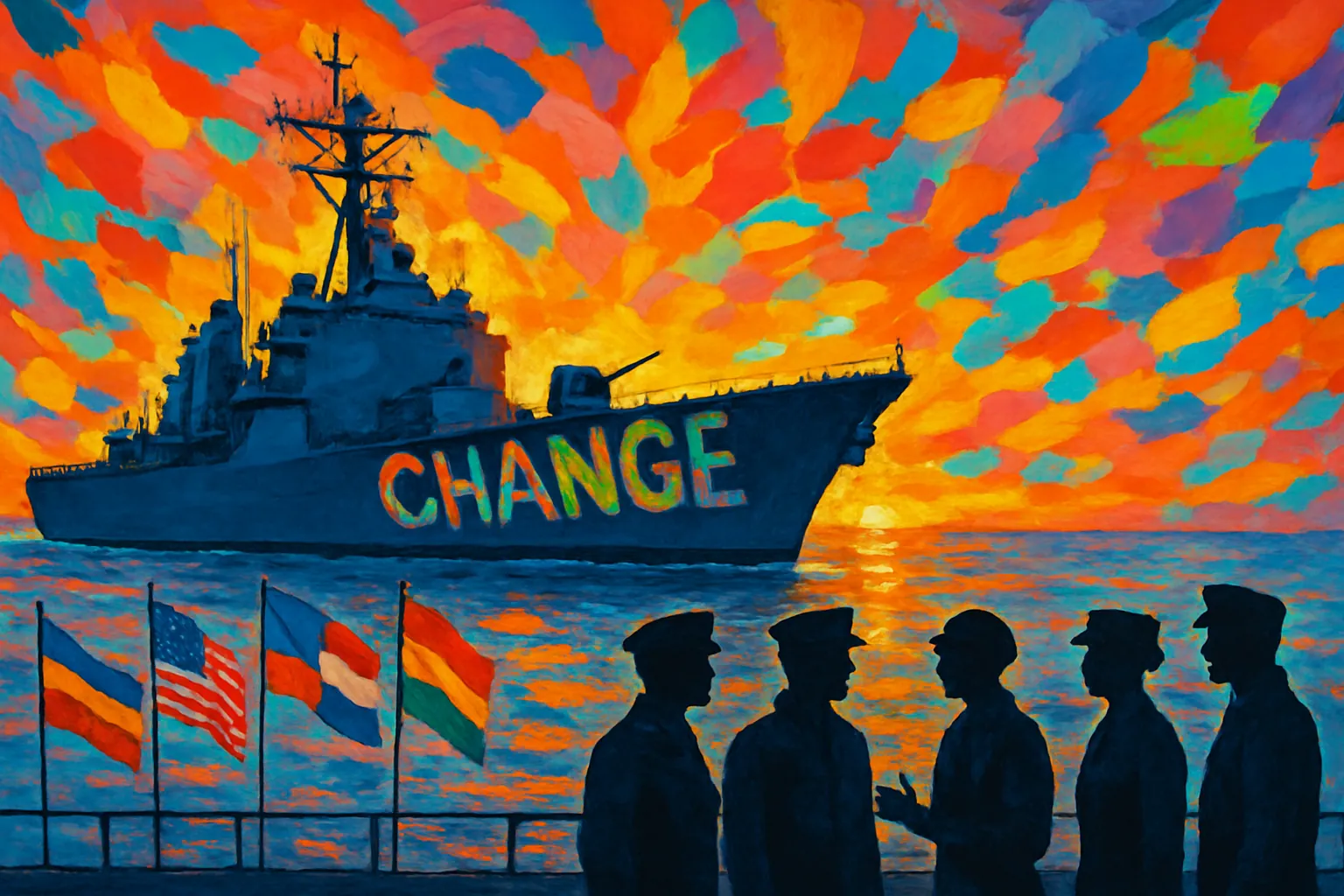
Navy Confirms Plan to Rename Vessel USNS Harvey Milk
The U.S. Navy has confirmed its intention to rename the USNS Harvey Milk, a naval vessel dedicated to the memory of famed LGBTQ rights activist and Navy veteran Harvey Milk, who was assassinated in 1978. The decision follows a directive from Defense Secretary Pete Hegseth and has sparked significant controversy and criticism, particularly given the announcement’s timing during Pride Month. The USNS Harvey Milk, deployed as a fleet replenishment oiler stationed in the Gulf of Mexico, was originally christened in 2021, as part of the Navy’s John Lewis-class tankers, named to honor prominent civil rights figures.
Milk’s historical background adds weight to the symbolism of this vessel. Harvey Milk served as an officer in the U.S. Navy during the Korean War from 1951 to 1955 until he was forced out due to his sexual orientation. Later, in 1977, he became one of the first openly gay elected officials in America, securing a seat on the San Francisco Board of Supervisors. Milk’s legacy was further immortalized by the Oscar-winning film “Milk,” featuring Sean Penn, which brought widespread public attention to Milk’s groundbreaking achievements in gay rights activism.
Sean Penn and Dustin Lance Black, both Oscar winners for the biopic ‘Milk,’ strongly condemned the renaming. Black characterized the decision as a tactic designed to stoke divisive cultural conflicts, while Penn openly criticized Defense Secretary Hegseth for engaging in such a politically charged action.
“Renaming the USNS Harvey Milk is a deliberate step backwards in honoring courageous individuals who fought tirelessly for civil rights,” remarked Black, highlighting the controversy’s broader implications.
Political Reactions and Broader Implications
The renaming of the USNS Harvey Milk has predictably triggered responses across political lines. Democratic representatives, including Massachusetts Congressman Seth Moulton and former House Speaker Nancy Pelosi, condemned it as politically motivated. Representative Pelosi described the move as “a shameful, vindictive erasure of those who fought to break down barriers for all to achieve the American Dream.” Critics argue this decision distracts from more pressing issues such as economic recovery and national security, suggesting it undermines military morale by alienating sections of its service members.
Defense Department officials acknowledge that the timing of the announcement during Pride Month was deliberate, reflecting Defense Secretary Hegseth’s broader policy initiatives. Hegseth has publicly stated his goal to “re-establish warrior culture” at the Pentagon, thereby eliminating references to diversity, equity, and inclusion (DEI) from official military programs and symbolic actions.
“The administration’s actions signify a broader rollback of diversity, equity, and inclusion efforts,” explained a senior Pentagon source, underlining the administration’s renewed focus on traditional military values.
The renaming reflects an ongoing shift within the Department of Defense’s policy framework, highlighting a significant ideological shift from prior administrations. In addition to the renaming of the USNS Harvey Milk, Defense Secretary Hegseth had earlier directed the Pentagon and military branches to discontinue cultural or awareness months like Women’s History Month, LGBTQ+ Pride Month, and Black History Month. This decision represents part of a series of steps aimed at minimizing references to DEI within federal institutions.
Historical Context and the Future of Navy Ship Naming Conventions
Navy ship names often reflect contemporary political and societal values. Historically, the naming of U.S. naval vessels has served to honor significant national figures, including presidents, military heroes, and civil rights leaders. The John Lewis-class oilers, which include the USNS Harvey Milk, were initially named to recognize individuals who profoundly impacted America’s social and political fabric. Ships in this class include not only Milk’s namesake but also figureheads such as Supreme Court Justice Ruth Bader Ginsburg, civil rights leader Cesar Chavez, and abolitionist Harriet Tubman.
The current shift in naming conventions raises questions about future policy directions and official attitudes towards diversity. Defense analysts speculate that other ships within the John Lewis-class could face similar scrutiny and potential renaming under the current administration’s guidelines.
Former Secretary of the Navy Ray Mabus, who served under President Obama and was instrumental in establishing the John Lewis-class naming conventions, publicly opposed the renaming, emphasizing the importance of recognizing diverse contributions to American history. Mabus articulated that, “the Navy symbolizes the values we defend, and erasing those who fought for equality diminishes us all.”
The decision remains controversial, dividing public opinion and drawing criticism from various advocacy groups. Although supporters argue the renaming aligns with traditional combat-focused military values, critics express concern about diminishing recognition of crucial social contributions from marginalized communities.
As debates continue, formal announcements regarding new names and timelines for the change have not yet been finalized. Both advocates and opponents await definitive actions from Navy Secretary John Phelan, who is expected to manage the forthcoming changes.
“These naming decisions define how we interpret our history. Future generations will judge us based on the values we choose to honor,” said historian and naval expert Dr. Susan Bailey.
How the controversy surrounding the USNS Harvey Milk’s renaming will ultimately shape the Navy’s symbolic language remains uncertain. It is clear, however, that the debate has significantly intensified public conversations around military culture, societal values, and the evolving role of diversity within official narratives.