

Deployment Details and Congressional Scrutiny
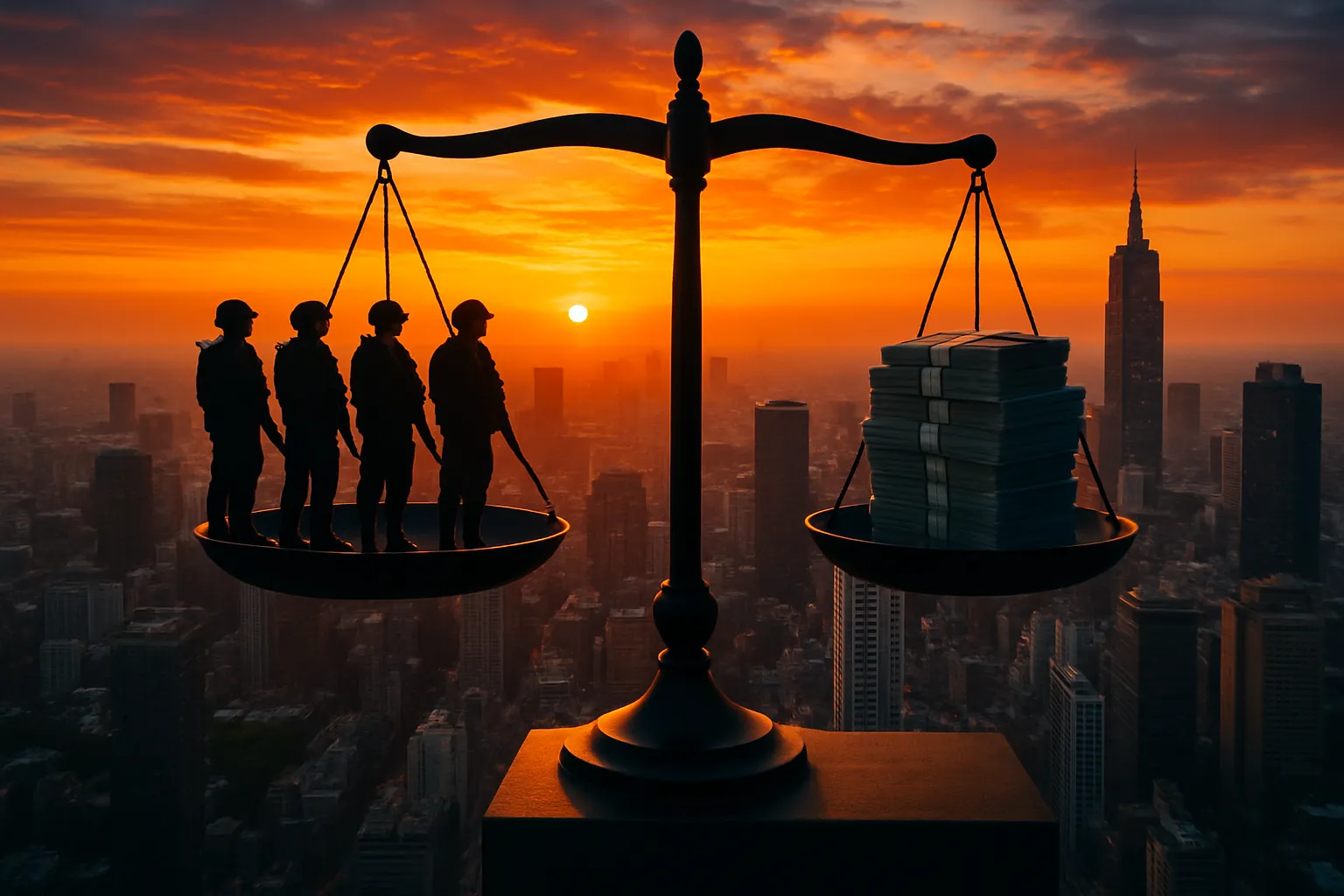
President Donald Trump has ordered a deployment of over 4,000 National Guard troops and approximately 700 Marines to Los Angeles to address civil unrest stemming from recent federal immigration enforcement actions. According to Pentagon officials, the cost of this military operation is expected to reach approximately $134 million. Primarily covering expenses such as travel, housing, and food, the funds allocated for this operation will originate from the Pentagon’s existing operations and maintenance budget. The operation is projected to last about 60 days, depending on the evolution of the situation on the ground.
The decision to use active-duty military personnel within the United States has drawn substantial scrutiny from lawmakers. During a contentious hearing before the House Appropriations subcommittee, Defense Secretary Pete Hegseth defended the administration’s decision, emphasizing the necessity of troop deployment in maintaining order and protecting federal property and agents.
Rep. Rosa DeLauro notably criticized Hegseth, describing his tenure as Secretary as marked by “endless chaos.” The spirited exchange highlighted deep divisions between the administration and Congress over the proper use and oversight of military resources domestically.
“We’re here to maintain peace on behalf of law enforcement officers in Los Angeles, which Governor Gavin Newsom won’t do,” said Hegseth during the hearing.
Despite reassurances that the troops deployed are specifically trained in crowd control and lack arrest authority, significant questions persist regarding their appropriate role, especially given the historical precedent and legal limitations surrounding domestic military deployments.
Legal Controversies and Local Opposition
The military deployment, ordered by Trump without explicit consent from California authorities, prompted immediate legal backlash from state officials. Governor Gavin Newsom initiated a lawsuit against the Trump administration, asserting that federalizing the California National Guard without state consent constituted a violation of the state’s rights under the Tenth Amendment of the United States Constitution.
This legal move underscores heightened tensions between state and federal authorities regarding immigration policies and enforcement, which have become especially contentious topics in recent years. Critics argue the current situation sets a concerning precedent for federal overreach, particularly in states where local policies differ significantly from federal mandates.
Additionally, Los Angeles Mayor Karen Bass joined Governor Newsom in condemning the deployment, calling the military presence excessive and potentially provocative. Their stance aligns with many civil liberties advocates who express concern that the visible military presence might exacerbate rather than diminish tensions within the community.
Marine Corps Commandant General Eric Smith addressed concerns, clarifying that Marines involved are strictly limited to crowd control tactics, such as utilizing shields and batons, without the authority to make civilian arrests.
“Our Marines are specifically trained for this role and clearly understand their limits in these operations,” explained General Smith in response to apprehensions from local leaders.
The clarification from military leadership serves as an attempt to address fears about potential escalations of force against civilians and underscores the sensitive balance the military seeks to maintain during such deployments.
Historical Context and Broader Implications
Historically, deploying troops domestically has been a measure of last resort, invoked under circumstances of widespread civil unrest or natural disasters. Such actions are governed by laws like the Posse Comitatus Act, which restricts the use of U.S. military personnel for domestic law enforcement unless expressly authorized by Congress or specifically outlined constitutional exceptions.
One notable historical precedent includes the 1992 Los Angeles riots, where federal troops, including Marines, were deployed by President George H.W. Bush following intense public disorder. That deployment similarly faced scrutiny but was broadly supported by local authorities overwhelmed by the scale of unrest. By contrast, the current deployment’s central controversy hinges strongly on the federal government’s unilateral decision without explicit local consent, prompting legal challenges and widespread debate.
According to Acting Pentagon Comptroller Bryn MacDonnell, the current operation’s costs will not impact programs aimed at enhancing the quality of life for service members and their families. Nonetheless, lawmakers expressed concern that such significant expenditures, even if drawn from general operations funding, reflect a broader pattern of increasing domestic military activity under the Trump administration, prompting questions about long-term policy directions.
Further complicating matters, Secretary Hegseth drew direct comparisons between the handling of current unrest in Los Angeles and past incidents, notably the 2020 protests in Minneapolis. In a pointed critique of Governor Tim Walz’s management of the Minneapolis situation, Hegseth argued that failing to deploy necessary resources promptly can significantly worsen outcomes for residents and local businesses, underscoring his administration’s stance on preemptive and assertive responses to urban unrest.
The implications of the current deployment extend beyond immediate fiscal and legal considerations, touching fundamentally upon the evolving role of military force within the homeland security landscape and underscoring continued policy debates over immigration enforcement and federal versus state powers.
“This situation highlights critical challenges about the civil-military relationship and the appropriate use of force domestically,” remarked Dr. Sarah Jacobs, a security studies expert at George Washington University.
As the deployment continues, policymakers and observers alike will closely monitor developments, understanding that the resolution of the current tension might significantly influence future policy and precedent regarding domestic military involvement under similar circumstances.