

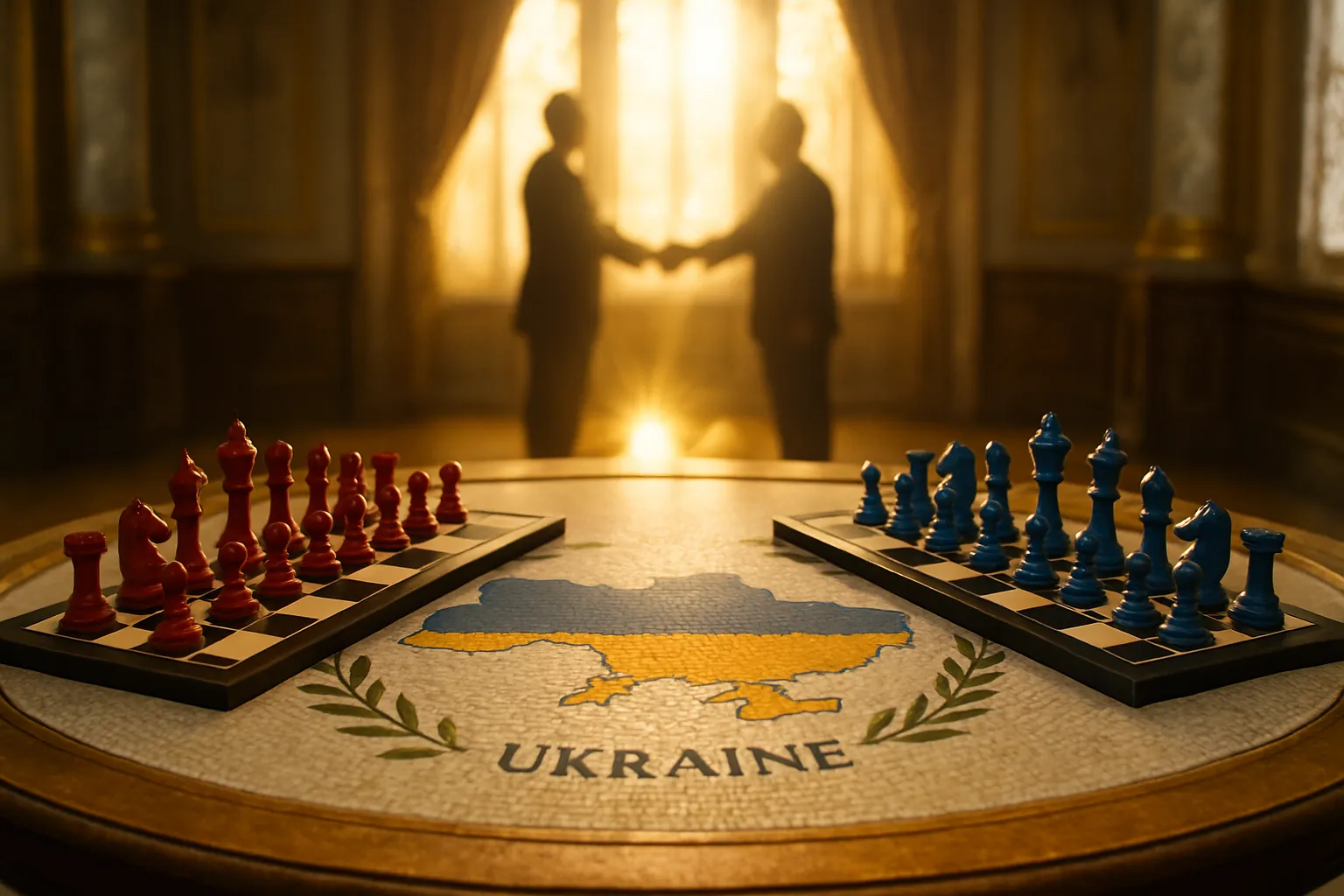
Burdened Optimism: Trump’s Call with Putin on Ukraine Conflict
A highly anticipated diplomatic exchange took place recently as US President Donald Trump engaged in a two-hour phone conversation with Russian President Vladimir Putin about the ongoing conflict in Ukraine. Following the discussion, Trump publicly asserted via his social media platform Truth Social that both Russia and Ukraine would begin ceasefire negotiations “immediately”. However, despite Trump’s optimistic announcement, concrete steps toward an immediate ceasefire remain uncertain due to significant differences outlined by Putin, particularly his rejection of the US-backed 30-day ceasefire proposal.
Trump’s special envoy, Steve Witkoff, expressed cautious optimism ahead of the discussion, highlighting key issues such as NATO involvement and sanctions as focal points needing resolution. However, the Kremlin appeared more hesitant. Dmitry Peskov, Putin’s spokesperson, underlined Moscow’s position, noting there could be “no deadline” for ceasefire talks and describing recent diplomatic efforts only as generally “on the right track.”
“The pursuit of peace must come with patience and without imposed timelines,” Peskov stated, emphasizing Russia’s cautious stance towards the negotiation process.
This cautious Russian approach contrasted sharply with Trump’s more urgent tone, showcasing the differing expectations and outcomes emerging from the call. Additionally, logistical nuances highlighted the contrasting contexts of the two leaders’ engagements: Trump took the call from the formal setting of the Oval Office and actively promoted it beforehand, whereas Putin conversed from a school event, without rearranging his schedule around the call. These disparities underline some of the practical obstacles facing diplomatic progress.
EU Response and Multilateral Discussions Intensify Around Ukraine
Prior to Trump’s dialogue with Putin, comprehensive discussions involving the UK Prime Minister, Keir Starmer, and leaders from the US, Italy, France, and Germany underscored a unified call for an unconditional ceasefire in Ukraine. The European leaders discussed potential sanctions aimed at pressuring Russia should ceasefire negotiations stall or if Russia remains uncooperative. European leaders solidified their stance during recent trips to Kyiv, unequivocally endorsing the 30-day ceasefire proposal, a proposal Putin has continuously rejected due to concerns it might allow Ukraine time to regroup militarily.
Following Trump’s briefing to European leaders, the EU swiftly increased economic sanctions imposed on Russia, demonstrating Europe’s heightened resolve to maintain pressure on Moscow. Trump’s administration, however, refrained from escalating sanctions against Russia after the call, suggesting that introducing new sanctions at this stage might undermine ongoing diplomatic negotiations. Nonetheless, Trump did not eliminate the possibility of future economic penalties.
“I have a ‘red line’ in my own mind,” Trump said, “but now isn’t the time to escalate sanctions and disrupt the delicate balance we’re achieving. Not yet.”
Vice President JD Vance echoed Trump’s caution, signaling readiness to withdraw from the peace process entirely if Russia’s engagement remains minimal or outcomes insufficiently tangible from the US perspective. This potential withdrawal would mark a significant pivot in US diplomatic strategy, emphasizing the critical importance the administration places upon tangible progress in negotiations.
The Historical and Strategic Complexity Behind the Ukraine War Diplomacy
The ongoing war between Russia and Ukraine marks a protracted international concern since Russia’s invasion of Ukraine more than three years ago, initially prompted by disputes over territorial sovereignty, particularly Crimea and the Donbas region. The conflict has exacted severe humanitarian and economic tolls, prompting numerous international diplomatic and economic interventions, yet crucial resolutions remain elusive.
Historically, diplomatic missions similar to this latest initiative have delivered varied success. The Minsk Agreements, formed earlier between Ukraine, Russia, and international mediators, initially promised reduced conflict through ceasefires and potential peace missions. However, breaches and ongoing hostilities rendered these agreements ineffective in securing lasting peace. The current negotiations driven largely by US-European collaboration once again confront similar barriers.
Direct involvement from world leaders such as Trump and Putin reflects the high international stakes attached to this conflict. Diplomatic experts underline that a peaceful resolution likely requires broader multilateral commitments and mutual concessions. Ukraine, represented by President Volodymyr Zelenskyy, underlines that its sovereignty and security concerns must shape any lasting solutions.
Given these complexities, the outcome of Trump’s diplomatic engagement remains uncertain. Though marked optimism about negotiation resumption prevailed initially, the enduring strategic mistrust between Russia and Western-aligned Ukraine seems likely to slow the peace process further.
“Ukraine’s voice must remain central in these proceedings,” emphasized Zelenskyy, reinforcing the essential role Ukraine must play in shaping a successful peace accord.
As diplomatic channels remain open, the international community attentively observes each development, poised between cautious hope and realistic concern about achieving sustainable peace in Ukraine. The delicate balance between immediate ceasefire goals and broader strategic alignments will significantly influence future diplomatic efforts and resolutions to this extended conflict.