

Sydney Sweeney Announces Unique Soap Collaboration Amid Fan Requests
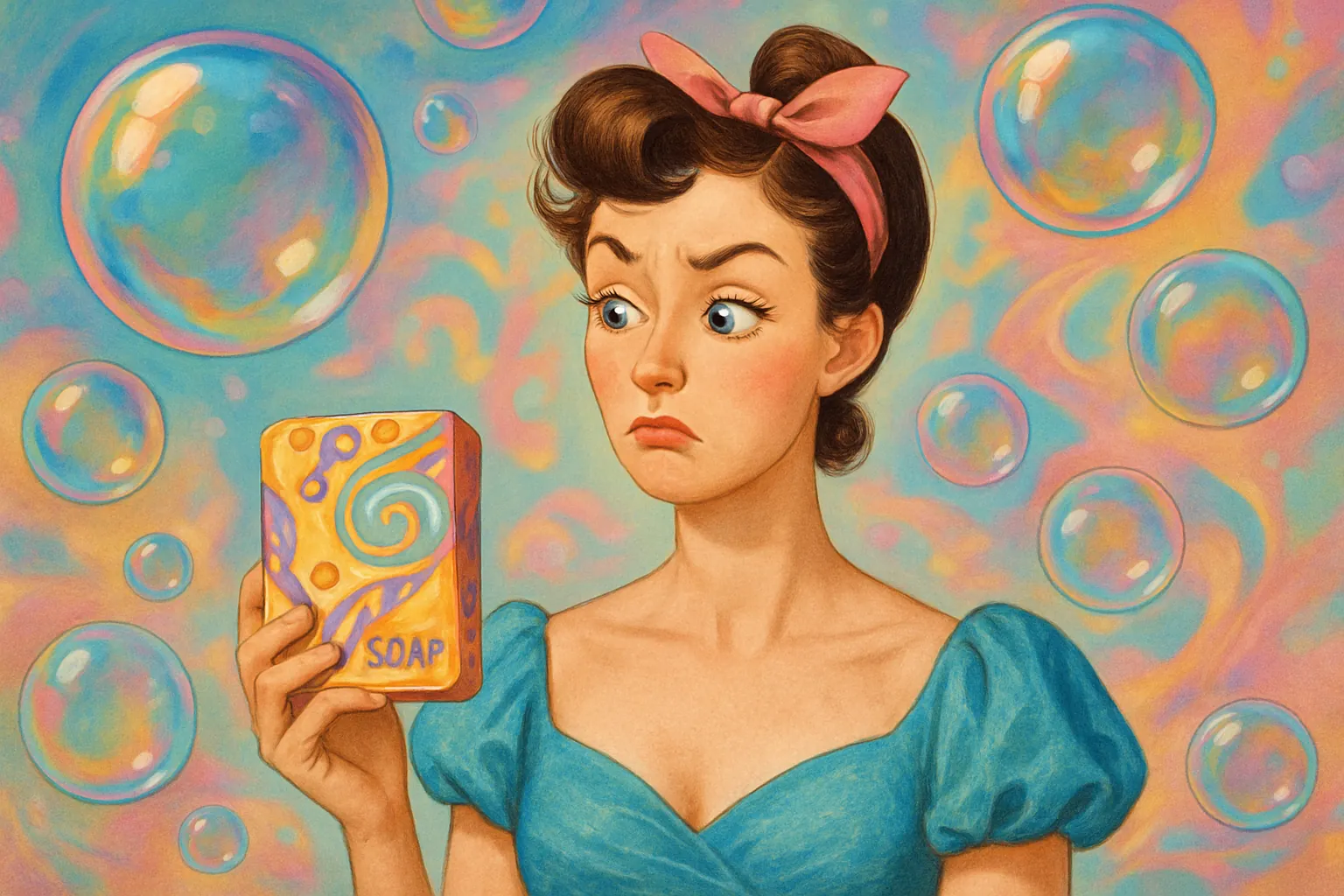
Actress Sydney Sweeney, known for her roles in “Euphoria” and several other popular television and film productions, has recently teamed up with natural soap brand Dr. Squatch to create a uniquely branded product. Named “Sydney’s Bathwater Bliss,” these limited-edition soap bars notably contain actual bathwater used by the actress herself. The launch is a direct reaction to persistent requests from fans, which intensified following her previous advertisements for Dr. Squatch’s body wash. Each bar of the soap will come with a certificate of authenticity, a notable feature given the unusual nature of the product.
The soap, priced at $8 per bar and limited to only 5,000 pieces, aims to blend elements of natural Pacific Northwest fragrances, described as an “ultimate blend of outdoor serenity” with notes of pine, Douglas fir, earthy moss, and a touch of the actress’s bathwater. Fans eager to acquire the soap participated in a giveaway promotion, enhancing anticipation and public engagement before the official release date on June 6.
The soap includes exfoliating ingredients such as sand, pine bark extract, mica, kaolin clay, and sea salt, alongside saponified oils of olive, sustainable palm, and coconut, as well as shea butter.
“When fans start asking for your bathwater, you either ignore it or you turn it into soap,” Sweeney humorously remarked in a promotional interview for the campaign.
The marketing approach, both playful and somewhat controversial, appears to have resonated deeply with Sydney’s fanbase, creating significant online buzz. Social media reactions varied greatly, with some applauding the creativity and sense of humor behind the campaign, while others expressed dismay and discomfort with the concept.
Cultural Reactions and Discussions Surrounding the Bathwater Soap
The release of “Sydney’s Bathwater Bliss” reignited broader conversations about celebrity branding, consumer culture, and gender norms in commercial media. Critics pointed to potential issues concerning the objectification of celebrities, particularly women in Hollywood. They questioned if similar marketing tactics involving male actors would receive the same public reaction or be considered acceptable at all.
Social media reactions highlighted this debate vividly. Several posts drew attention to what was perceived as a double standard in how male and female celebrities are marketed and fetishized. For instance, one commentator noted that male celebrities like Timothée Chalamet or Glen Powell would likely not participate in similar campaigns.
Meanwhile, others praised the actress for her business savvy and innovative self-branding strategies. They argued that the decision to engage with fan requests humorously could highlight Sydney Sweeney’s awareness and control in managing her public image.
“The fact Sydney turned this strange request into something playful and lucrative actually speaks volumes about her business acumen,” wrote one supporter on social media.
Yet, despite such positive perspectives, vocal critics insisted the campaign perpetuates unhelpful stereotypes about celebrity culture, particularly targeting the manner in which society objectifies female figures in the public eye. These critical voices suggest that while the approach might seem humorous to some, it underscores lingering issues in celebrity commodification.
Historical Context and Implications for Celebrity-Endorsed Products
The concept of celebrities marketing unusual personal items is not entirely new. Historically, high-profile personalities have leveraged their images to endorse diverse and often unconventional products. One of the most notorious modern examples is social media star Belle Delphine, who gained global attention for selling jars of her bathwater, a controversial but commercially successful venture.
Sydney Sweeney’s product, however, stands distinct by integrating the controversial element into a mainstream, natural hygiene brand recognized for its conventional appeal. Dr. Squatch, known primarily for targeting men with natural and organic self-care products, expanded its consumer base significantly through partnerships with well-known personalities such as Sweeney.
Sydney Sweeney emphasized that she personally uses the soap and only endorses products she authentically supports, highlighting the importance of organic and authentic brand partnerships. This explicit commitment to authenticity could support the longevity and credibility of such celebrity endorsements, potentially influencing other public figures to consider similar, albeit possibly less controversial, marketing approaches.
Sweeney’s move also presents broader implications for celebrity endorsements. It highlights a growing trend toward personalized branding and unusual merchandise aimed at capturing public interest and generating internet and media virality. Whether viewed as savvy marketing or problematic commodification, this event signals a potential shift in how celebrities leverage personal brand exposure, balancing boundary-pushing creativity against consumer expectations and ethical considerations.
“Such marketing tactics certainly break the mold, but they also prompt serious reflection on the limits and responsibilities within celebrity culture,” explained Dr. Jonathan Reese, a marketing expert specializing in consumer psychology.
Regardless of varying opinions, Sydney Sweeney’s “Bathwater Bliss” has already achieved its intended purpose: capturing widespread attention and sparking dialogue about celebrity culture, ethical considerations, and consumer expectations in today’s digital and media-saturated environment. As celebrity-brand collaborations continue evolving, how public figures navigate these boundaries will undoubtedly remain a focal point for both analysis and public discourse.