

Historic Legislation Signed by President and First Lady
President Donald Trump and First Lady Melania Trump have jointly signed the bipartisan ‘Take It Down Act‘, marking a historic moment as this is believed to be the first time a sitting first lady has signed legislation alongside a president. The new law criminalizes the sharing and distribution of non-consensual intimate imagery, including artificially generated deepfakes. It requires social media platforms like Instagram, Facebook, TikTok, and X to remove explicit non-consensual content within 48 hours of being flagged or face significant penalties.
The legislation, which received overwhelming bipartisan support in both the House and the Senate, was spearheaded by Senators Ted Cruz (R-Texas) and Amy Klobuchar (D-Minnesota). In the House of Representatives, Republican Maria Salazar introduced the bill, highlighting a unified bipartisan effort to combat digital exploitation.
At the signing ceremony in the Rose Garden, President Trump emphasized the severity of digital sexual exploitation, calling it a “horribly wrong” situation. The event brought emotional commentary from First Lady Melania Trump, who has actively championed this cause aligning with her ‘Be Best’ initiative, which seeks to protect children online and offline.
“This legislation is a powerful step forward in our efforts to ensure that every American, especially young people, can feel better protected from their image or likeness being exploited online,” said First Lady Melania Trump.
The event was also marked by President Trump’s humorous yet poignant remarks about his experiences with deepfakes, noting, “We’ve all heard about deep fakes. I have them all the time, but nobody does anything.” Trump jestingly requested assistance from Attorney General Pam Bondi, who diplomatically declined, noting other priorities.
Personal Advocacy and Legislative Journey
The passage of the ‘Take It Down Act’ was notably driven by personal advocacy, including the heartbreaking story shared by South Carolina Representative Brandon Guffey, whose 17-year-old son tragically took his own life three years ago following a ‘sextortion’ incident online. Guffey has passionately advocated for stronger legislative protections against such online exploitation, recognizing that rapid technological advancements, especially with artificial intelligence, have made it easier to generate and distribute harmful, explicit imagery.
Representative Guffey praised the new law, highlighting that it not only mandates quick removal of explicit content but also imposes severe federal penalties, including mandatory restitution, fines, and incarceration up to three years “With the evolution of criminals using AI and morphed images and videos, this will be the first bill to my knowledge to address Artificial Intelligence explicitly,” he explained.
The act was also supported by prominent youth advocates like Ellison Berry, whose testimony on the devastating impacts of digital exploitation resonated with many lawmakers. Berry’s public testimony and advocacy have been cited as instrumental in persuading a bipartisan coalition to swiftly move this legislation through Congress.
“This law will save many teens from enduring shame and torment online,” stated Guffey, underscoring the significance of this legislative achievement rooted in deeply personal motivations.
Broader Context and Potential Implications
The ‘Take It Down Act’ represents an important milestone in federal legislation addressing digital exploitation and marks one of the first comprehensive legislative responses to challenges posed by AI-generated content. Technological advancements in artificial intelligence have led to an alarming increase in realistic deepfakes, often weaponized to target and humiliate victims of all ages.
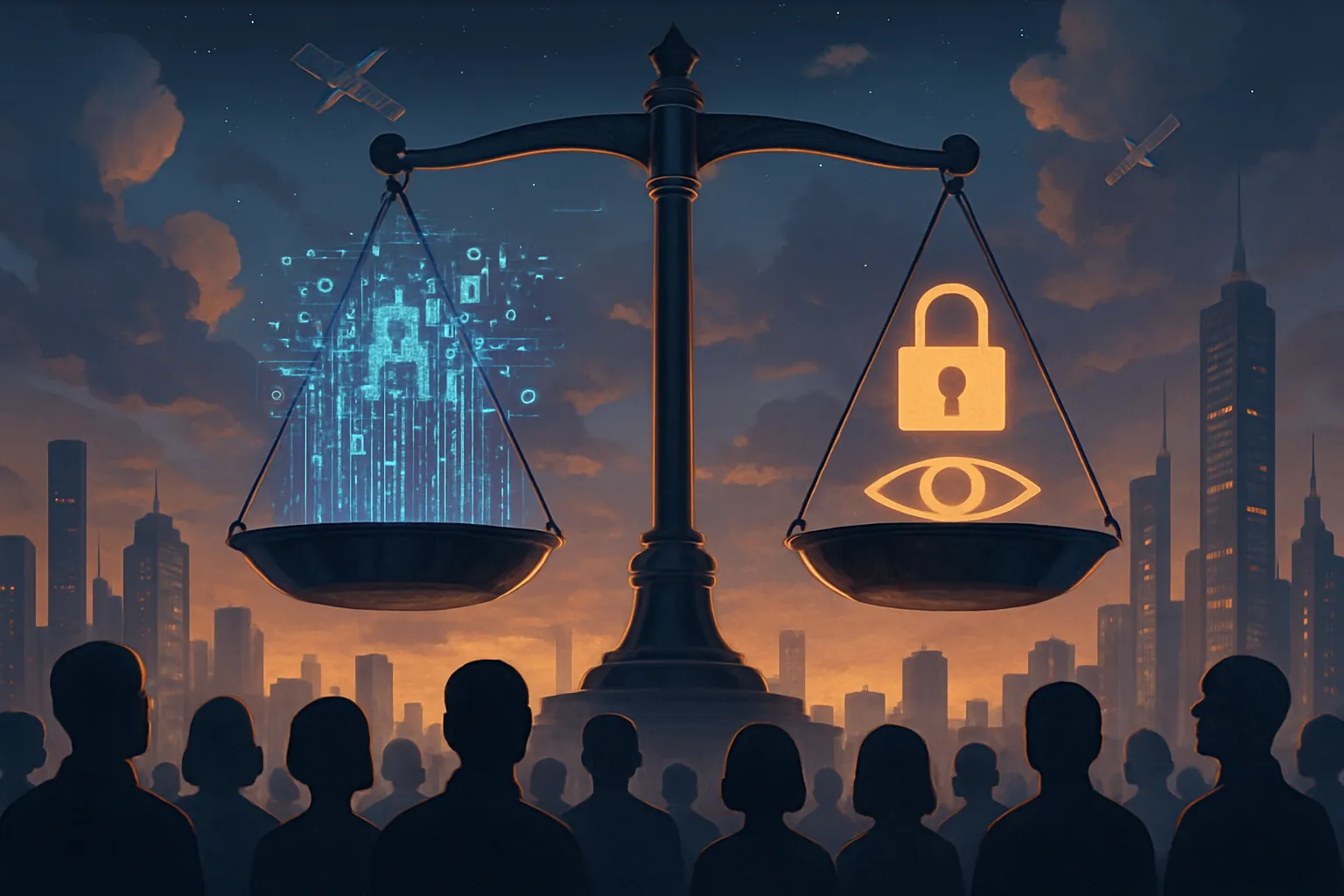
Legal analysts and digital rights organizations, however, have raised concerns regarding potential unintended consequences. They warn that the rapid 48-hour takedown requirement might inadvertently pressure platforms, especially smaller ones with limited moderation resources, to remove content without sufficient verification, potentially leading to issues of over-censorship.
Moreover, some digital freedom advocates express apprehension that the broad definitions and stringent requirements could inadvertently infringe on First Amendment protections, potentially creating a chilling effect on online speech. The Electronic Frontier Foundation noted concerns about the vague language used in portions of the act, suggesting it might enable misuse against lawful expressions.
This legislation comes at a critical juncture as AI technology rapidly becomes integrated into various aspects of society, making it essential for law enforcement and the legal system to adapt quickly. The Department of Homeland Security has concurrently enacted initiatives such as Know2Protect, aiming to educate parents, teens, and the general public about the risks and realities of digital sexual exploitation and ‘sextortion.’ Country music artist John Rich has partnered with the department, helping amplify messaging around online safety.
In a broader policy context, this law may prompt further legislative reforms. Representative Guffey has called for revisiting or revoking Section 230 of the Communications Decency Act—a longstanding legal provision shielding online platforms from liability over user-generated content. Guffey is notably pursuing legal action against Meta, Instagram’s parent company, advocating not for monetary damages but systemic changes to platform accountability.
As the first piece of its kind on a federal level to specifically target AI-generated revenge porn and deepfakes, its enforcement and effectiveness will likely set key precedents for future cybersecurity and digital privacy legislation in the United States.