

Karl Lagerfeld Tribute Sparks Debate at Met Gala 2023
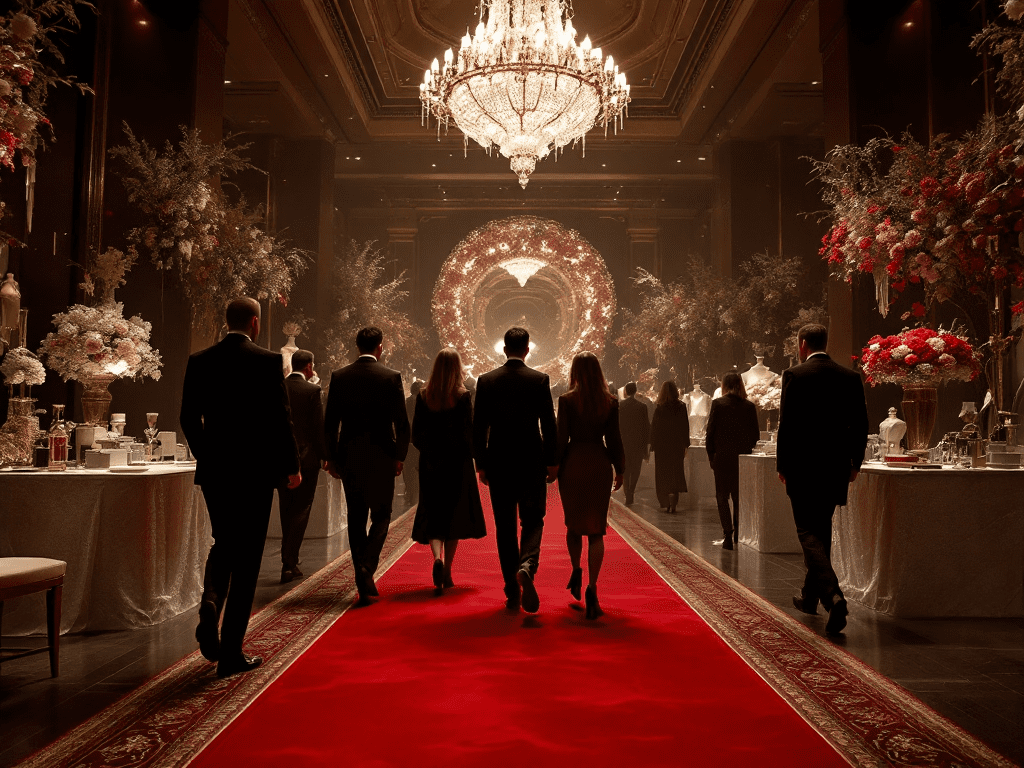
This year’s Met Gala, held in honor of Karl Lagerfeld, marked an influential yet contentious tribute to the iconic fashion designer. Lagerfeld, revered for revitalizing brands like Chanel and Fendi and transforming the luxury fashion industry, was chosen as the theme for the 2023 event following his death in 2020. His legacy undoubtedly shaped modern fashion through innovative designs and bold styling. Yet, allegations of racism, misogyny, and fatphobia have significantly tarnished his reputation, leading to public debate over his suitability as the subject of such prominent recognition.
The 2024 Met Gala successfully raised more than $26 million for The Metropolitan Museum of Art’s Costume Institute, underscoring the gala’s powerful financial impact. Despite the fundraiser’s financial success, the choice to honor Lagerfeld has drawn criticism, especially due to his controversial remarks on sensitive issues, including the #MeToo movement and immigration, which actress and model Cara Delevingne publicly criticized as damaging and inappropriate.
“Critiquing someone’s harmful opinions doesn’t diminish their creative genius, but it certainly complicates the legacy we choose to celebrate,” remarked fashion historian Dr. Anna Weston.
Several attendees navigated the gala’s difficult thematic discussions, balancing admiration for Lagerfeld’s impressive contributions against scrutiny of his personal views. This complex juxtaposition underscored the broader dilemma facing events like the Met Gala: honoring cultural impact while responsibly acknowledging the imperfections and controversies associated with celebrated figures.
Historical Awkwardness and Scandals: A Retrospective on Met Gala Mishaps
Throughout its history, the Met Gala has become famed not just for its lavish displays of fashion but also for several notably awkward or controversial incidents. One particularly uncomfortable moment occurred in 2016 when Demi Lovato described their experience as “terrible,” highlighting the event’s exclusivity and discomfort. Lovato, who reportedly felt very alienated and criticized the atmosphere as superficial, further voiced struggles with sobriety following the event, stating outright they attended an Alcoholics Anonymous meeting direct from the gala, testifying to the emotional toll the event sometimes exacts from attendees.
Another memorable episode occurred at the 2015 Met Gala, themed “China: Through the Looking Glass,” when actress Sarah Jessica Parker faced criticism over her choice of headpiece, perceived as cultural appropriation by some critics. The controversy highlighted a broader conversation about sensitivity and inclusivity within the world of fashion and art.
Adding to the memorable mishaps of Met Gala mythology, actress Hayden Panettiere stumbled and fell on the stairs of the red carpet in 2014, ironically just moments after confidently proclaiming, “Hallelujah! I made it up the stairs!” Laughing off the misfortune, Panettiere regained her composure gracefully, embracing her embarrassment as simply another quirky gala memory.
Fashion commentator Angela Reeves noted, “The Met Gala is not only about grandeur and aesthetics but also the human moments everyone can relate to, both humorous and slightly awkward.”
In the same year, a daring streaker dressed only in a gold chain and pink mankini ran down the red carpet, adding another peculiar chapter to the event’s colorful history. These incidents elaborate the unpredictable side of the annual gathering, making it remarkably relatable despite its opulence and celebrity allure.
Broader Implications of Controversies and the Future of the Met Gala
Looking beyond individual incidents, the Met Gala’s repeated controversies raise important questions regarding its societal role, standards for representation, and the expectations placed upon celebrities. The event stands as one of the fashion industry’s most significant public showcases, simultaneously capturing global attention and scrutiny with its high-profile guests and bold themes.
Recent critical reflections on Karl Lagerfeld’s complicated legacy illustrate a broader trend toward reassessing prominent cultural figures’ lives and work through contemporary ethical lenses. Amid these debates, organizers and attendees alike must grapple with how best to respect historical context while acknowledging past mistakes or problematic perspectives.
Additionally, public reactions to cultural sensitivity and inclusivity at this internationally acclaimed event have amplified, reflecting shifting social values and heightened awareness fostered by movements around justice and equality. Commentators suggest future galas will likely place greater emphasis on thoughtful representation and ethical considerations when selecting themes and honorees.
The Met Gala also faces challenges regarding its public perception; critics occasionally describe it as overly elitist or disconnected from broader societal concerns. Celebrity stylist Von Ford, discussing recent gala themes and representations, emphasized inclusive interpretations within fashion such as “Black dandyism,” showcasing how culturally diverse perspectives increasingly inform fashion scenes.
“Fashion has always been about storytelling and representation,” Ford stated. “Future Met Galas offer a platform for deeper conversations about identity, culture, and societal challenges through creative expression.”
As the Met Gala evolves and responds to contemporary concerns, its organizers must balance tradition and innovation, celebrating fashion’s artistry and cultural significance while responsibly addressing controversies and redefining norms. The gala’s future strength will likely depend on transparent acknowledgment of complexities and thoughtful engagement with the values society increasingly prioritizes.