

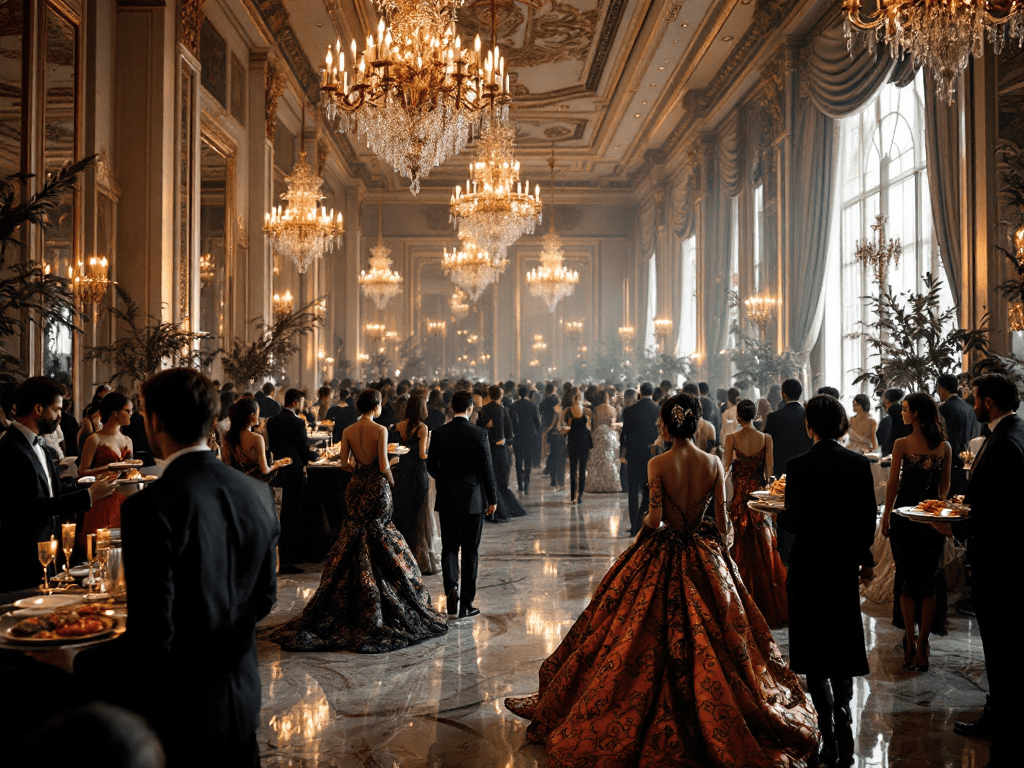
Met Gala 2025 Celebrates Black Dandyism with Exclusive Theme ‘Superfine: Tailoring Black Style’
The 2025 Met Gala, held on May 5 at the Metropolitan Museum of Art in New York City, revolved around the compelling theme “Superfine: Tailoring Black Style.” Curated meticulously by Vogue’s renowned Editor-in-Chief Anna Wintour, the event this year underscored the rich history and cultural significance of Black Dandyism, showcasing the profound impact of Black designers on fashion traditions dating from the 18th century to the present day. As usual, the gala maintained an aura of exclusivity, with an invitation-only guest list and tickets priced at $75,000 per seat.
Among the stringent rules set to maintain this high-profile event’s elegance and exclusivity, one prominently enforced measure was a “no phone” policy. Organizers strictly prohibited selfies and smartphone use inside the gala, aiming to keep celebrities engaged with the event’s activities without distractions or unintended social media exposure.
Additionally, culinary restrictions were rigorously enforced, with certain foods deliberately omitted from the menu to prevent potential social faux pas. These restrictions notably included items like garlic, onion, chives, parsley, and bruschetta. The decision behind this menu curation aimed at keeping guests’ breath fresh, avoiding food stains on extravagant outfits, and maintaining impeccable photography conditions.
“We purposefully avoid certain ingredients to ensure our guests enjoy not only a visually appealing dining experience but also one free from social anxiety concerning food stains or undesired odors,” explained Josh Jackson, executive chef and owner of Great Taste Catering.
Highlighting the theme through culinary art, acclaimed chef Kwame Onwuachi, owner of the restaurant Tatiana, oversaw the menu creation. Chef Onwuachi expressed an earnest dedication to representing the “Superfine: Tailoring Black Style” theme, making deliberate choices in ingredients and presentation to align the dinner experience with the showcased exhibit.
Detailed Rules and High Expectations Mark the Evening
Alongside meticulously designed outfits and extravagant displays of fashion prowess, the gala’s policies mirrored its premium standards. In addition to the no-phone regulations, attendees faced a strict ban on smoking within the venue, intended primarily to protect the museum’s priceless fashion archives from damage or lingering odors.
This year’s highly anticipated guest list included prominent international celebrities making their debuts, notably Indian film stars Shah Rukh Khan and Kiara Advani, contributing to the event’s increasing global presence. Organizers emphasized that each attendee received a specifically designated seat, arranged without guest input to optimize interaction and networking among diverse attendees.
Drawing attention to the seriousness of the gala’s dress code adherence, some fashion critics publicly argued that attendees who failed to comply should not be permitted inside. Aligning their attire with the theme “Tailored for You” was viewed as essential to fully appreciating the gala’s cultural and artistic narrative. Moreover, the exclusive access to the exhibition offered guests an intimate look at historical and contemporary fashion pieces directly influencing the evening’s attire.
“Met Gala guests are expected to engage with the theme deeply. The commitment to thematic integrity and dress code adherence is crucial; it enhances the event’s educational and cultural significance,” remarked a former PEOPLE Magazine fashion reporter.
Despite the glamorous facade, behind-the-scenes preparations included reportedly strict conditions imposed by some designers. In previous galas, celebrities such as Kim Kardashian underwent rigorous dietary measures to fit iconic outfits, highlighting an occasionally controversial aspect of event preparation.
Historical Context and Implications of Met Gala Traditions
The Met Gala, established in 1948 by fashion publicist Eleanor Lambert, began as a modest fundraising dinner but has evolved considerably over decades under Anna Wintour’s stewardship since 1995. Today, it serves as one of the fashion industry’s most paramount charity events, significantly contributing to the Costume Institute’s crucial funding at the Metropolitan Museum.
Each gala theme historically corresponds with exhibitions curated by the museum, designed to promote public awareness of fashion history and its intersections with culture, politics, and identity. Previous themes such as 2019’s “Camp: Notes on Fashion” or 2022’s “In America: An Anthology of Fashion” exemplify the gala’s commitment to profound, thought-provoking cultural dialogues through the lens of fashion.
The Met Gala 2025’s focus on Black Dandyism reflects an increasingly inclusive approach, acknowledging marginalized histories within mainstream fashion narratives. Expanding representation and historical acknowledgment, the event helps broaden public understanding of influential yet under-recognized contributions to global fashion dynamics.
Policy-related implications of Gala exclusivity and event-specific regulations, such as strict phone and dietary guidelines, also foster broader discussions within event management circles about balancing guest comfort with the demands of maintaining tradition and decorum. Financially, the steadily rising ticket prices underscore economic dynamics within philanthropy and luxury marketing, providing considerable year-round support for the Costume Institute’s preservation and educational initiatives.
In essence, the 2025 Met Gala not only upheld its standing as fashion’s most exclusive and discussed event but also reinforced its role as a pivotal influencer in cultural education and historical preservation, leaving enduring conversations about fashion’s broader implications on identity and tradition.