

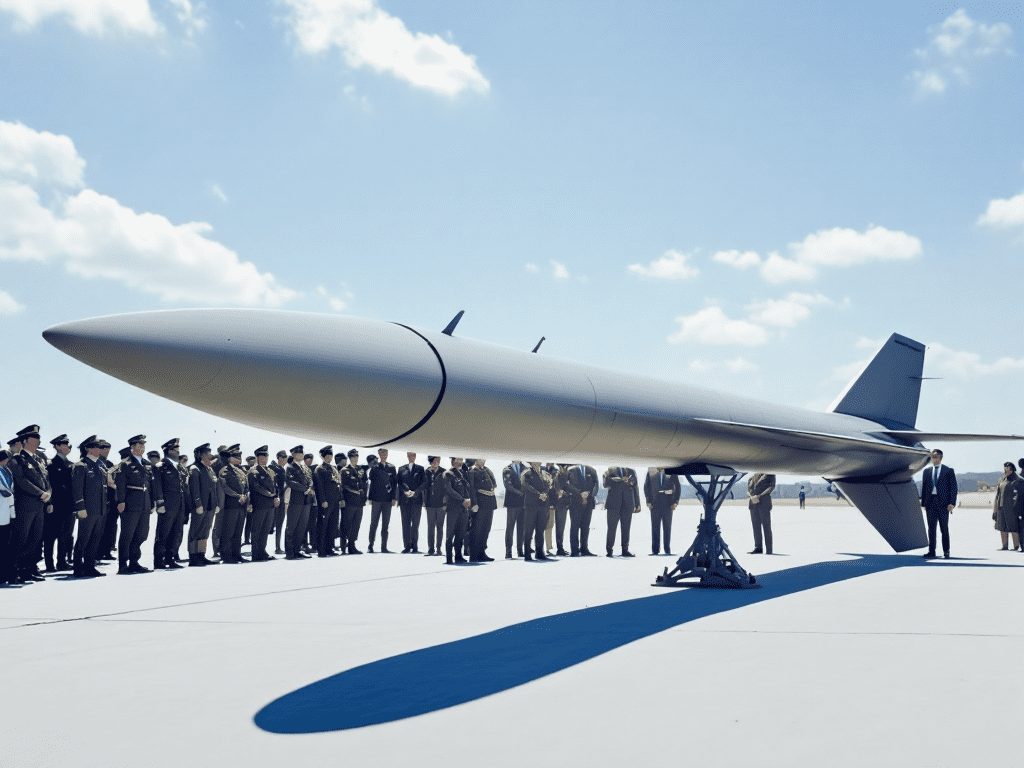
Iran Introduces New Missile With Enhanced Capabilities
Iran has unveiled its latest ballistic missile, the Qassem Basir. Officially presented by Defense Minister General Aziz Nasirzadeh, the missile is described as a solid-fueled projectile featuring advanced maneuverability, radar-evasion capabilities enabled by a carbon-fiber structure, and resistance to electronic warfare. According to Iranian state media, the missile can evade sophisticated missile defense systems such as the U.S. THAAD and Patriot missile batteries. With a range exceeding 1,200 kilometers (approximately 745 miles), it is capable of precise strikes independent of GPS guidance.
The missile unveiling, aired nationally on Iranian TV, displayed footage from a successful test-fire conducted on April 17. Iranian authorities positioned the missile as a significant development in their defensive arsenal, asserting that it enhances Iran’s deterrence capabilities amid growing regional tensions.
“We have no hostility toward neighboring countries, but American bases are targets for us if we are attacked,” Defense Minister Aziz Nasirzadeh warned. This statement underscores Iran’s stance on retaliatory defense, setting a clear boundary in the face of international threats.
“The missile is resistant to electronic jamming and air defense systems. If war is imposed upon us, our response will target enemy bases and their interests in the region.” – General Aziz Nasirzadeh
This unveiling coincides with escalating tensions involving Iran, the United States, and Israel, particularly following recent missile strikes attributed to Iranian-backed groups such as the Houthis in Yemen.
Regional Reactions and Rising Tensions
The unveiling of the Qassem Basir missile comes shortly after an incident in which the Israeli Defense Forces (IDF) failed to intercept a missile fired by Yemen’s Houthi rebels. The missile landed near Israel’s Ben-Gurion Airport after interception attempts were unsuccessful due to a technical error. Historically, Israel’s Iron Dome system has maintained a high interception success rate of over 95% against similar threats, but this recent event has raised concerns regarding missile defense reliability.
Israeli Prime Minister Benjamin Netanyahu has since vowed retaliation against Houthi missile strikes, which he attributes to backing and support from Iran. The recent missile developments only heighten the stakes in an already volatile Middle Eastern geopolitical environment, with multiple actors engaged in proxy conflicts and direct confrontations.
U.S.-Iranian relations are also strained as indirect talks struggle to progress, compounded by increasingly aggressive rhetoric from both sides. The unveiling of this advanced ballistic missile serves to further intensify these tensions, placing additional pressure on diplomatic efforts to resolve longstanding disputes over Iran’s nuclear ambitions and regional activities.
“This missile’s introduction clearly complicates the security landscape, potentially escalating responses from regional powers including Israel and the United States,” noted defense analyst Jonathan Mead.
The White House and State Department have yet to officially respond to the new development, but lawmakers and defense officials are closely monitoring the situation, aware that any further military advancements may provoke stronger reactions and policies aimed at countering Iran’s growing missile capabilities.
Historical Context and Policy Implications
Iran’s current missile capabilities stem significantly from historical experiences, specifically the Iran-Iraq War of 1980-1988, during which Iran faced severe bombardment from Iraqi Scud missiles. The scars of this conflict influenced Iranian military doctrine profoundly, leading to a national emphasis on missile development, particularly after international embargos limited access to modern military aircraft systems.
Currently, according to the Global Firepower Index, Iran ranks 14th globally in terms of military strength, operating approximately 610,000 active military personnel, 551 aircraft, nearly 2,000 tanks, and over 65,000 armored vehicles. Its naval force includes 37 vessels with seven submarines, emphasizing a significant regional military presence.
Iran’s missile development program is central to its defense strategy, especially in context of enduring international sanctions that have curtailed procurement of high-tech conventional arms. Proponents within Iran argue these missile advancements are vital deterrents against potential external aggression, particularly from the United States and Israel.
The Qassem Basir missile’s advanced technological features and strategic capabilities significantly elevate Iran’s defensive and offensive posture in the region, prompting renewed international scrutiny and deliberation over effective containment strategies.
“Iran’s missile program serves as a key strategic deterrent. International negotiations and regional stability efforts must account for these formidable capabilities,” stated regional security expert Mona Rahimi.
This missile program has broader policy implications, as regional nations and international communities grapple with Iran’s accelerating military developments. Diplomatic efforts, particularly ongoing nuclear program discussions, will likely be influenced by this recent advancement, potentially reshaping diplomatic priorities and negotiation strategies moving forward.