

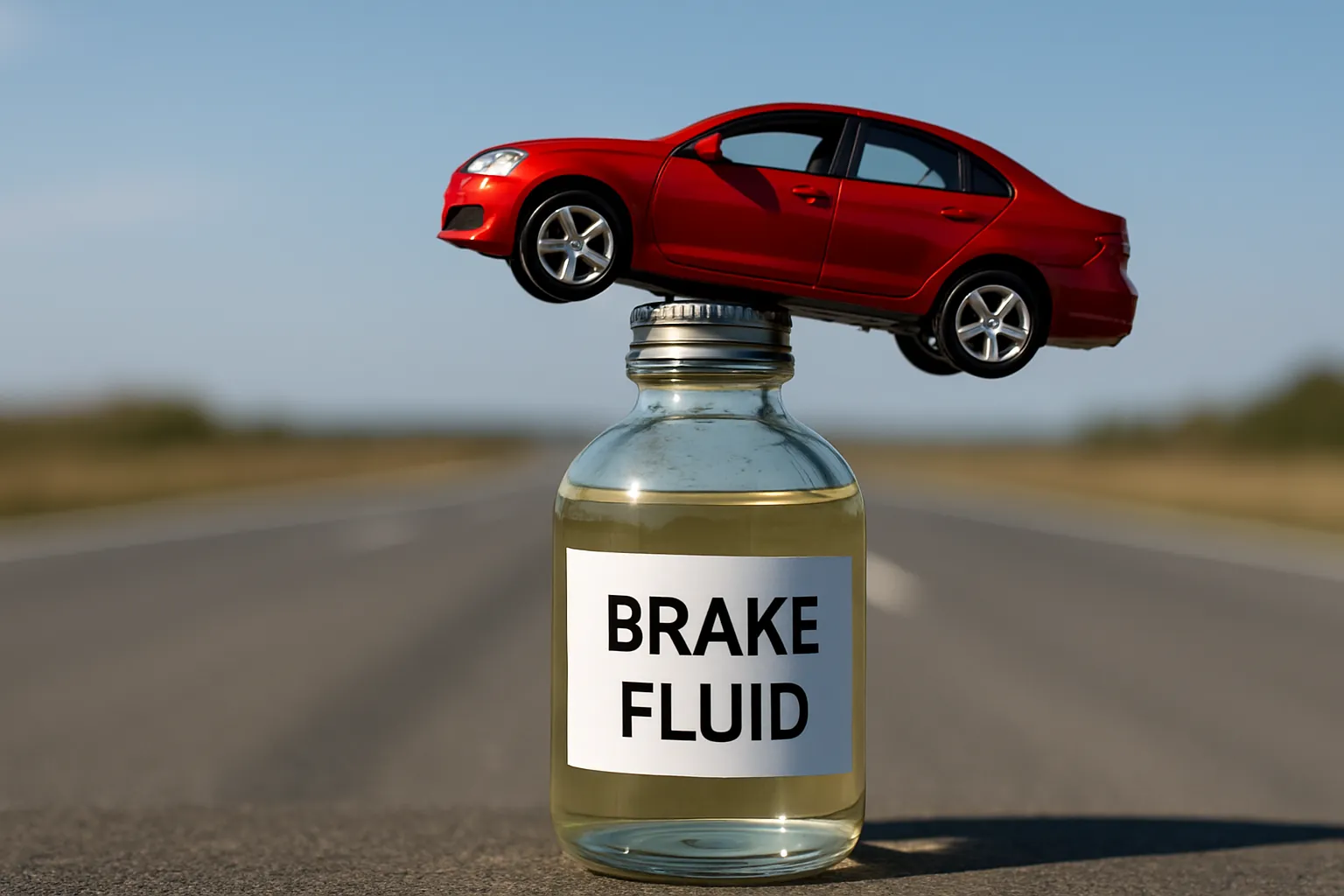
Ford Initiates Recall Over Brake Safety Concerns
Ford Motor Company announced a significant recall affecting approximately 273,789 vehicles in the United States, encompassing specific models of Lincoln Navigator and Ford Expedition from 2022 to 2024. This recall arises from a serious safety concern involving potential brake fluid leaks caused by contact between front brake lines and the engine air cleaner outlet pipe. Such leaks could cause diminished braking capability, heightening the risk of accidents.
Dealers will inspect the impacted vehicles and provide necessary repairs or replacements free of charge. The issue is notably identified with Ford’s recall identification number 25S47, and vehicle owners can verify if their cars are part of the recall through the National Highway Traffic Safety Administration’s (NHTSA) website. Additionally, Ford customer service is available at 1-866-436-7332 for further assistance.
The recall process will officially start with notifications mailed to vehicle owners by May 26, 2025. Ensuring customer safety, Ford emphasized the importance of addressing this issue promptly.
“Ensuring the safety of our customers is our highest priority,” a Ford spokesperson stated. “We are working diligently to rectify this issue swiftly to maintain trust in our vehicles and support our drivers’ safety.”
Safety organizations underscored the importance of vehicle recalls in preventing accidents. The ongoing effort underscores the industry’s proactive approach that prioritizes consumer safety and confidence, despite the inconvenience recalls can pose to vehicle owners.
Detailed Examination of the Brake Fluid Leak Issue and Responses
The recall specifically impacts Ford Expedition and Lincoln Navigator models manufactured between 2022 and 2024. According to reports from the NHTSA, these vehicles exhibit a risk for brake fluid leaks due to possible damage to the front brake lines. This damage can occur if the brake lines rub against the vehicle’s engine air cleaner outlet pipe, progressively wearing down the lines and causing leakage.
This condition significantly increases the brake pedal travel distance, potentially leading to delayed braking response and increased stopping distance, thus amplifying the risk of a crash. As a result, the company and safety agencies strongly encourage vehicle owners to respond promptly to recall notices.
Ford’s comprehensive resolution includes inspecting the brake lines and air cleaner pipes on all recalled vehicles. They will replace any components found to be compromised. Currently, the automaker assures that these repairs will be conducted entirely at their expense, aiming to minimize inconvenience for affected vehicle owners.
“Vehicle owners should promptly check if their car is affected and ensure repairs are made immediately after notification,” advised automotive safety analyst John Evans. “Early diagnosis and repair can significantly mitigate any risk associated with this defect.”
Additionally, Ford has provided an easy verification method for vehicle owners. By entering their vehicle’s 17-digit VIN or license plate number into the NHTSA website, individuals can quickly and accurately determine recall status, facilitating rapid action.
Broader Impacts and Financial Implications of the Recall
Automotive recalls typically carry substantial practical and financial implications, influencing both company reputation and consumer confidence. For Ford, this latest recall emerges amid mixed financial signals. Analysts project varied outcomes, with current stock valuation at approximately $10.60. Notably, GuruFocus predicts Ford’s GF Value could reach $11.68, suggesting a potential upside of over 10%, while the one-year average analysts’ price target is somewhat less optimistic at $9.65, indicating a potential downside of about 9% from current levels.
The consensus brokerage rating for Ford is presently a ‘Hold,’ with an average recommendation score sitting at 3.1 on a scale where 1 denotes “Strong Buy” and 5 represents “Sell.” These diverse perspectives indicate a level of uncertainty regarding Ford’s near-term financial trajectory, directly influenced by operational issues such as safety recalls.
Historically, automotive recall incidents can significantly impact brand equity, influencing immediate sales and long-term consumer loyalty. Ford, known for a history of prompt recall responses, including the major 2021 recall involving airbag defects affecting approximately 3 million vehicles, continually faces the challenge of swiftly addressing mechanical and safety concerns to preserve customer trust and brand integrity.
Strategically, companies often absorb recall costs as investments into brand trust. Analysts emphasize that transparent communication during recall events can mitigate negative impacts on consumer attitudes and stock performance, ultimately supporting brand value.
“Automotive companies carry out recalls proactively as a fundamental aspect of safety protocols,” noted financial analyst Laura Germaine. “Effectively managing recalls by prioritizing consumer safety helps maintain trust and can mitigate potential negative impacts on corporate reputation and financial stability.”
Moving forward, analysts and industry experts will closely watch Ford’s effectiveness in handling this recall and its subsequent impact on consumer trust and financial stability. Given the competitive nature of the automotive market, particularly in the segment of large SUVs where Navigator and Expedition models reside, timely and effective recall management will remain crucial for Ford’s sustained market strength and consumer appeal.