

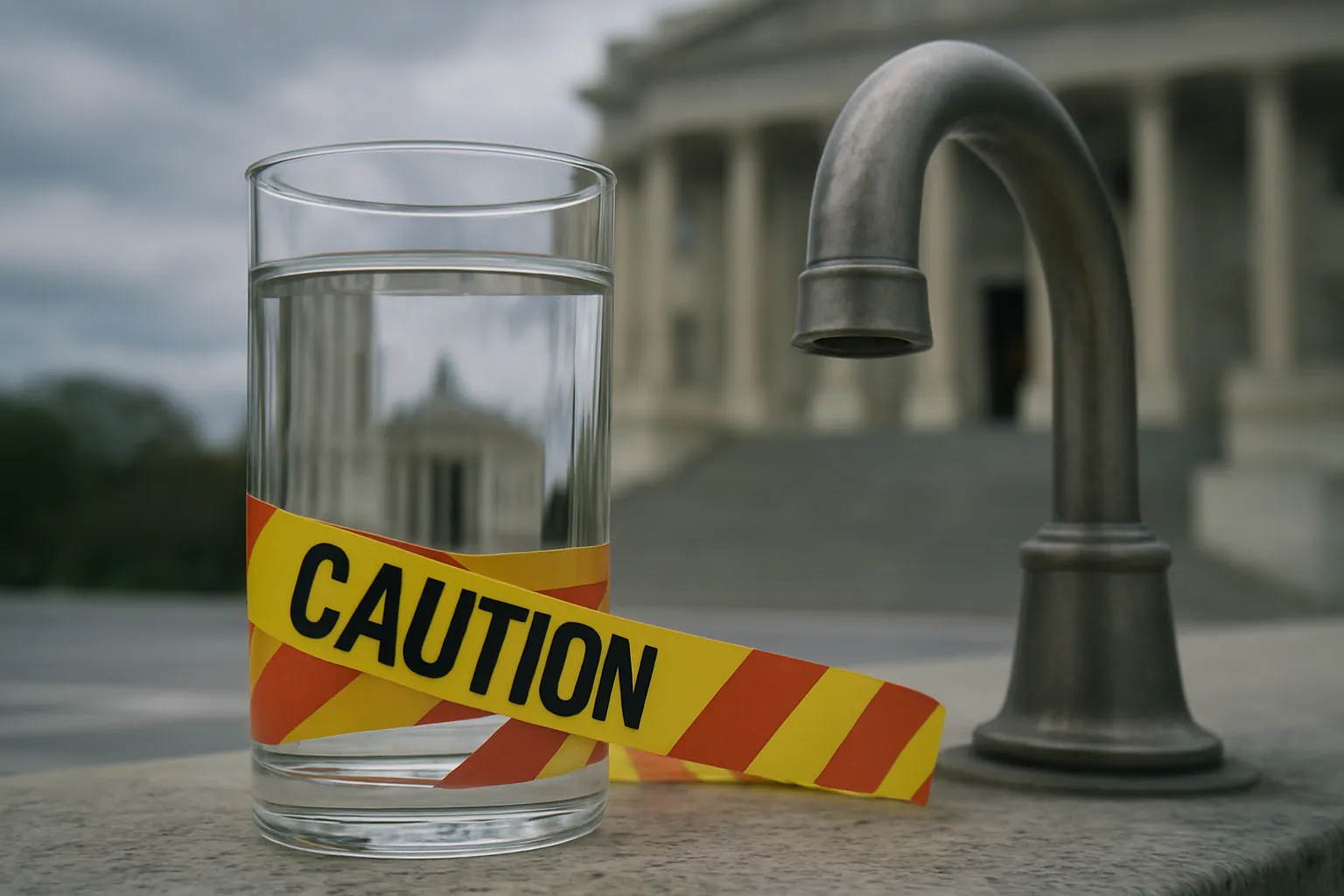
EPA Announces Rollback and Delay on PFAS Drinking Water Standards
The U.S. Environmental Protection Agency (EPA) recently announced plans to rescind federal drinking water standards for four specific types of PFAS chemicals—PFHxS, PFNA, HFPO-DA, and PFBS—while maintaining regulations for two of the most prevalent compounds, PFOA and PFOS. These chemicals, known collectively as “forever chemicals,” are widely recognized for their durability and persistence in the environment and human body, raising concerns about their health impacts. The EPA has decided to extend the compliance deadlines for PFOA and PFOS from 2029 to 2031, granting utilities additional time to conform to these stringent regulations.
EPA Administrator Lee Zeldin stated that this decision is intended to provide “common-sense flexibility” for utilities navigating the challenges of compliance, particularly smaller and rural entities facing substantial financial burdens. According to EPA officials, this approach ensures practicality without entirely abandoning protections against the known dangers of PFAS. However, the rollback has generated strong backlash from environmental and public health organizations that argue the delay could jeopardize millions by prolonging exposure to potentially harmful chemicals.
“We will work to provide common-sense flexibility in the form of additional time for compliance,” said EPA Administrator Lee Zeldin, emphasizing the intention behind the rollback.
Critics contend this decision undermines a significant public health achievement by the Biden administration, which had set the initial strict national limits at 4 parts per trillion—the lowest reliably detectable levels. Under new guidelines, utilities initially facing steep costs—up to $500 million for advanced filtration systems in some cases—may now have breathing room to phase in these improvements over several additional years, potentially postponing rate hikes for residents who would otherwise face significantly higher water bills.
Impact and Reactions from Local Communities and Industry Stakeholders
The rollback decision closely follows advocacy from water utilities and chemical manufacturers who filed lawsuits against the Biden-era drinking water regulations, citing expensive and logistically demanding treatment system installations as untenable burdens. Municipalities like Broward County, Florida, previously considered expensive nanofiltration upgrades estimated around $500 million, potentially tripling residents’ water bills. With the EPA’s revised timeline, these municipalities may now delay costly rate increases, providing temporary relief for consumers.
The National Rural Water Association (NRWA), representing numerous smaller and rural utilities, welcomed the extended timeline, highlighting the financial and infrastructural relief the compliance extension provides. Conversely, advocacy groups and environmentalists criticize the rollback, citing the extensive scientific evidence of severe health consequences associated with PFAS exposure, including kidney and testicular cancers, liver damage, and adverse impacts on nervous and reproductive systems.
“These delays endanger communities nationwide,” remarked an environmental advocate, emphasizing the risks prolonged exposure poses to public health.
Assessments report that approximately half of the U.S. population is already consuming water contaminated with some degree of PFAS. Opponents of the rollback contend further delays and regulatory relaxations could exacerbate this public health crisis, counteracting years of progress towards stricter public safety standards.
Historical Context and Broader Policy Implications
PFAS, short for per- and polyfluoroalkyl substances, have long been utilized in consumer and industrial products like nonstick cookware, firefighting foam, and stain-resistant textiles due to their resistance to heat, water, and grease. Initially developed in the 1940s, widespread industrial use of PFAS went unregulated for decades, resulting in significant environmental and public health challenges emerging prominently in recent years.
In 2023, the Biden administration established the first federal drinking water limits targeting PFAS, hailing them as landmark public health protections. This move aimed at dramatically reducing widespread contamination and associated health issues, marking a significant tightening of standards after years of advocacy from health and environmental groups.
However, the recent EPA rollback under the Trump administration signals a marked policy shift, reflecting pressures from utility companies and industrial stakeholders concerned about compliance expenses. EPA officials have indicated plans to reconsider and potentially reissue regulatory standards for the four rescinded PFAS compounds, including newer generation substances like GenX chemicals found notably in North Carolina. This reevaluation process is expected to culminate in a proposed rule by 2025 or 2026, maintaining the possibility that stricter regulations could eventually return.
“We remain committed to re-evaluating standards for these chemicals and expect a proposal in the coming years,” EPA representatives stated.
This decision underscores an enduring policy tension between public health advocacy and financial feasibility arguments from industry and utility sectors. As PFAS-related contamination continues to attract public health concern, especially in communities disproportionately impacted by these contaminants, industry observers predict ongoing legal and political battles surrounding regulatory standards.
Ultimately, this rollback highlights the complex intersection between environmental protection, public health priorities, economic impacts on municipalities, and the lobbying power of affected industries. As public scrutiny grows and scientific evidence regarding PFAS toxicity accumulates, stakeholders on all sides of the debate are likely to remain actively engaged in shaping the future regulatory landscape for ensuring safe drinking water.