

High-Profile U.S.-Saudi Summit Strengthens Economic Ties
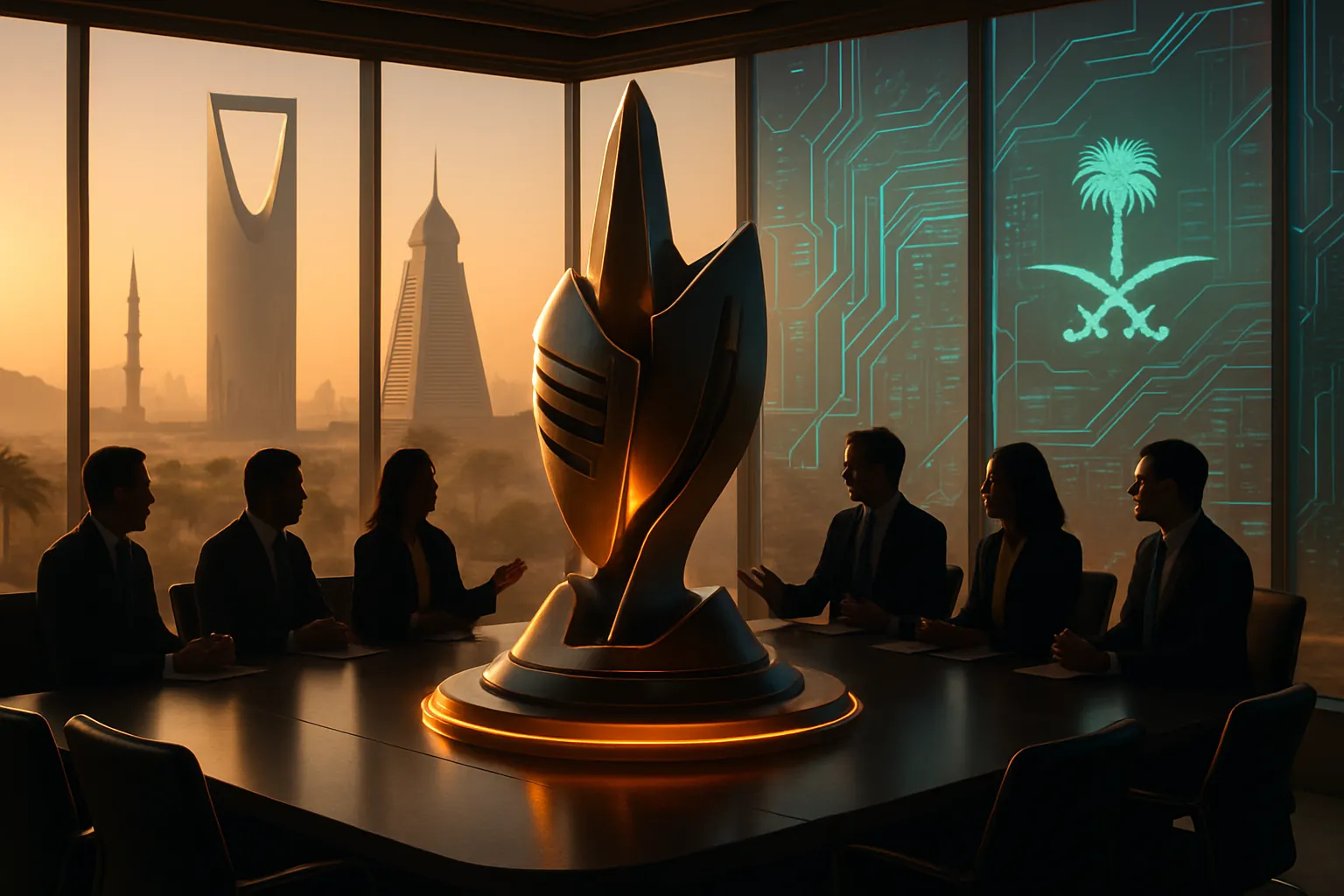
Tesla and SpaceX CEO Elon Musk joined President Donald Trump at a major Saudi-U.S. investment forum held in Riyadh, marking significant bilateral cooperation between the United States and Saudi Arabia. The forum aimed to enhance economic partnerships, notably in sectors including defense, artificial intelligence (AI), healthcare, and technology, as part of Saudi Arabia’s ambitious Vision 2030 plan. This initiative seeks to diversify Saudi Arabia’s economy by increasing private sector involvement and reducing dependency on oil revenues.
During the forum, President Trump announced a $142 billion arms deal with Saudi Arabia, reportedly the largest arms agreement in history. The deal includes high-tech American drones, piloted aircraft, sophisticated missiles, and precision-guided weapon systems. This substantial arms contract underscores a broader strategy by the United States to deepen its defense collaboration with Gulf allies.
Musk, who serves as head of the Department of Government Efficiency—a role within the administration aimed at optimizing governmental functions—played a prominent role at the event. He confirmed that Saudi Arabia has approved SpaceX’s Starlink satellite services for use in maritime and aviation sectors. The approval expands Starlink’s capabilities in the Middle East, crucial for improving internet connectivity and operational monitoring in remote and offshore locations.
“This approval signifies a strategic partnership that will enhance technological infrastructure and benefit strategic sectors such as aviation and maritime logistics,” said Musk during his address at the forum.
Musk Pitches Innovative Transportation Solutions to Saudi Officials
Beyond expanding Starlink services, Elon Musk utilized the forum to showcase Tesla’s emerging technologies. He arranged a private demonstration of Tesla’s yet-to-be-released Optimus robots, which notably performed a dance routine set to the song YMCA, much to the amusement of attendees including President Trump and Saudi Crown Prince Mohammed bin Salman.
Moreover, Musk promoted Tesla’s autonomous vehicle program, particularly the Robotaxi networks, and discussed The Boring Company’s urban tunnel projects designed for easing traffic congestion. While these propositions captured attention, their immediate status remains speculative due to ongoing developmental stages and infrastructural challenges.
Musk was supported at the forum by prominent individuals, including his brother Kimbal Musk, indicating a close-knit group influential in both business and governmental efficiency circles. This participation highlighted the intertwined nature of American entrepreneurial influence and official governmental capacities in diplomatic and business endeavors.
“While ambitious, we look forward to potential collaborations that could fundamentally change urban transportation and infrastructure,” stated Musk when asked about the viability of his transportation proposals.
Deepening AI Investment and Technological Collaboration
In line with the forum’s emphasis on technological innovation, significant investment commitments were secured, especially in AI technology. DataVolt, a Saudi-based company, announced plans to invest approximately $20 billion into AI-focused data centers and energy infrastructure within the United States, reflecting greater bilateral interest in advanced technology sectors. This influx of funds represents a major step in Saudi Arabia’s technological development strategy under Vision 2030, whereby technology and knowledge-driven industries are critical targets.
The convergence of influential U.S. tech executives, including Musk, Amazon CEO Andy Jassy, and OpenAI’s Sam Altman, alongside high-ranking Saudi ministers, underscored the forum’s importance. Approximately 15 Saudi ministers attended, reflecting the kingdom’s prioritization of these strategic partnerships. Such strong representation is indicative of an evolving Saudi policy seeking broader engagement with prominent U.S. business leaders.
Furthermore, the considerable investments announced at the forum are expected to catalyze economic growth, advance technological innovation, and facilitate substantial job creation in both countries. The arms deal and technological investments signal a mutual acknowledgment of the strategic importance of innovative, defense-oriented, and technological collaborations.
“These investments symbolize a defining moment in Saudi-U.S. relations, with both nations acknowledging the transformative potential of collaborative technology endeavors,” said a spokesperson from Saudi Arabia’s Ministry of Investment.
The Saudi-U.S. Investment Forum underscored a deliberate move towards tighter economic and strategic relations between the United States and Saudi Arabia, exemplified by high-value deals and future-oriented technological initiatives. The interactions also reflect a shift in geopolitical strategy, blending governmental diplomacy with robust private sector engagement, laying the groundwork for sustained cooperative ventures in key global sectors.