

Apple’s Custom Silicon Fuels Ambitious Smart Glasses Project
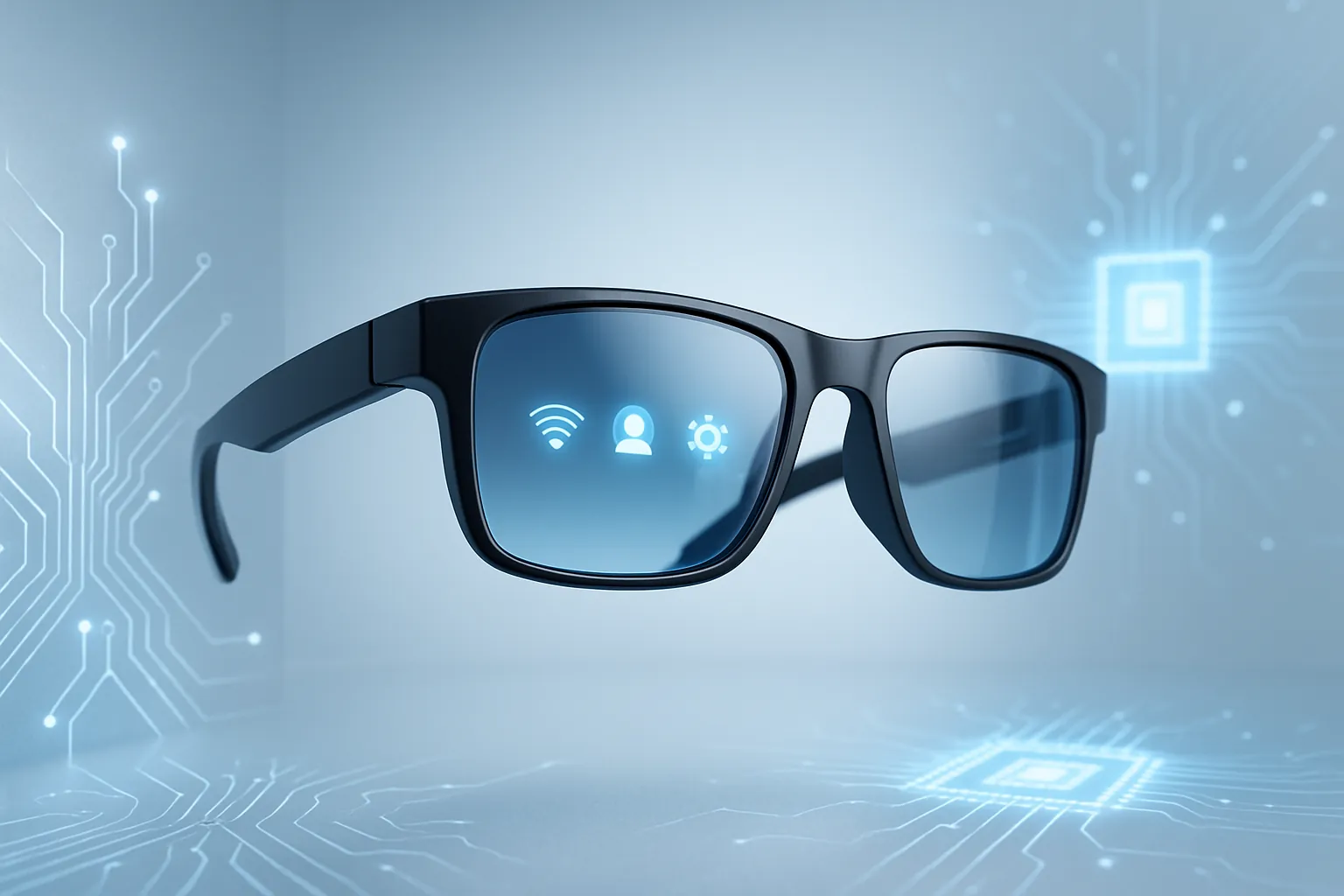
Apple is making significant strides towards launching smart glasses, powered by specialized, custom-made silicon designed exclusively for wearable technology. Known internally as N401, Apple’s smart glasses chips are being designed to emphasize low energy usage and sophisticated camera control, deriving their architecture from Apple’s existing S chips used in the Apple Watch—engineered explicitly for energy efficiency. These new chips will be notably more power-efficient, even allowing simultaneous control over several built-in cameras, marking a considerable advancement from current wearable chipsets. Mass production by TSMC could start as early as the summer of 2026, indicating the technology could find its way into consumer hands by late 2027.
The first iteration of these glasses is not expected to feature full augmented reality capabilities but rather prioritize AI-driven camera experiences. Drawing comparisons to Meta’s Ray-Ban smart glasses, Apple’s glasses will likely integrate multiple cameras, microphones, and AI-enhanced features. These features include advanced photography capabilities, real-time translation, and object recognition—aiming for an intuitive and seamless user interaction with the real world.
Apple’s silicon development team is simultaneously working on multiple new chip designs besides N401, including the M6, M7, and an advanced Mac chip known internally as “Sutra.”
“This significant development by Apple’s silicon design team underscores the company’s broader strategy to enhance hardware integration, pushing boundaries in consumer technology,” stated a technology analyst familiar with Apple’s plans.
Multiple Versions and AI Integration to Define Apple Glasses
Apple’s preparation includes developing two versions of the smart glasses: one basic model emphasizing camera and artificial intelligence functionality, comparable to existing competitor products, and another higher-end variant potentially integrating augmented reality in subsequent releases. The initial release, however, seems tailored toward enhancing everyday interactions through innovative AI capabilities rather than full AR immersion.
Reportedly, the glasses will support enhanced photography, translation services, object recognition, spatial video recording, and environmental scanning. Apple has been conducting extensive user experience studies to refine these AI and camera functionalities before finalizing the precise design elements.
This cautious, iterative approach showcases Apple’s strategy to introduce consumers gradually to more sophisticated tech wearables. By initially launching less complex AI-enabled smart glasses, Apple can gauge consumer comfort and acceptance while refining and enhancing full AR technologies for future iterations.
“Apple’s approach is smart; they’re not just chasing trends but attempting to set a new standard for wearable technology,” said industry analyst Clara Stevens.
Market Context and Strategic Implications for Apple
Apple enters this market facing competition from established players like Meta, Amazon, and Xiaomi, each of whom has launched smart eyewear products emphasizing camera functionality and AI integration. Meta, notably, introduced its Ray-Ban glasses, offering similar camera and AI-driven features without augmented reality capabilities, setting a visible market benchmark Apple seeks to surpass.
Historically, wearable technology has been a challenging segment for many tech companies due to consumer hesitancy about daily use convenience, privacy issues, and stylistic preferences. Nevertheless, Apple possesses a formidable reputation for successfully introducing and mainstreaming new technology categories, visible in the widespread adoption of the Apple Watch and AirPods. This historical context positions Apple advantageously to potentially redefine consumer expectations and usage behaviors around smart glasses technology.
Apple’s move into custom silicon tailored explicitly for smart glasses and AI servers highlights a significant focus on strengthening its competitive edge in hardware sophistication and performance. With robust internal chip design capabilities and strategic partnerships, notably with TSMC, Apple is positioned to maintain substantial control over its technology roadmap and production timelines.
The broader implications of Apple’s custom chip initiatives extend beyond just smart glasses. They indicate Apple’s readiness for substantial investments and innovations in the Mac series and AI servers as well, advancing the capabilities of Apple Intelligence considerably over the coming years. This expansion in Apple’s internal silicon design capabilities clearly represents strategic long-term planning, potentially reshaping product lines and influencing broader industry trends.
“Apple is investing heavily—not just in smart glasses—but in a silicon infrastructure that could redefine several tech categories,” explained Robert Jennings, a semiconductor industry consultant.
In summary, Apple’s commitment to developing custom silicon to power smart glasses and other advanced devices suggests a critical strategic initiative that could reshape wearable technology landscapes by 2027. This ambitious effort not only reflects Apple’s ongoing competitive strategy but could significantly influence consumer electronics and tech industry dynamics in the near future.