

Widespread Flight Delays and Cancellations Amid Severe Weather
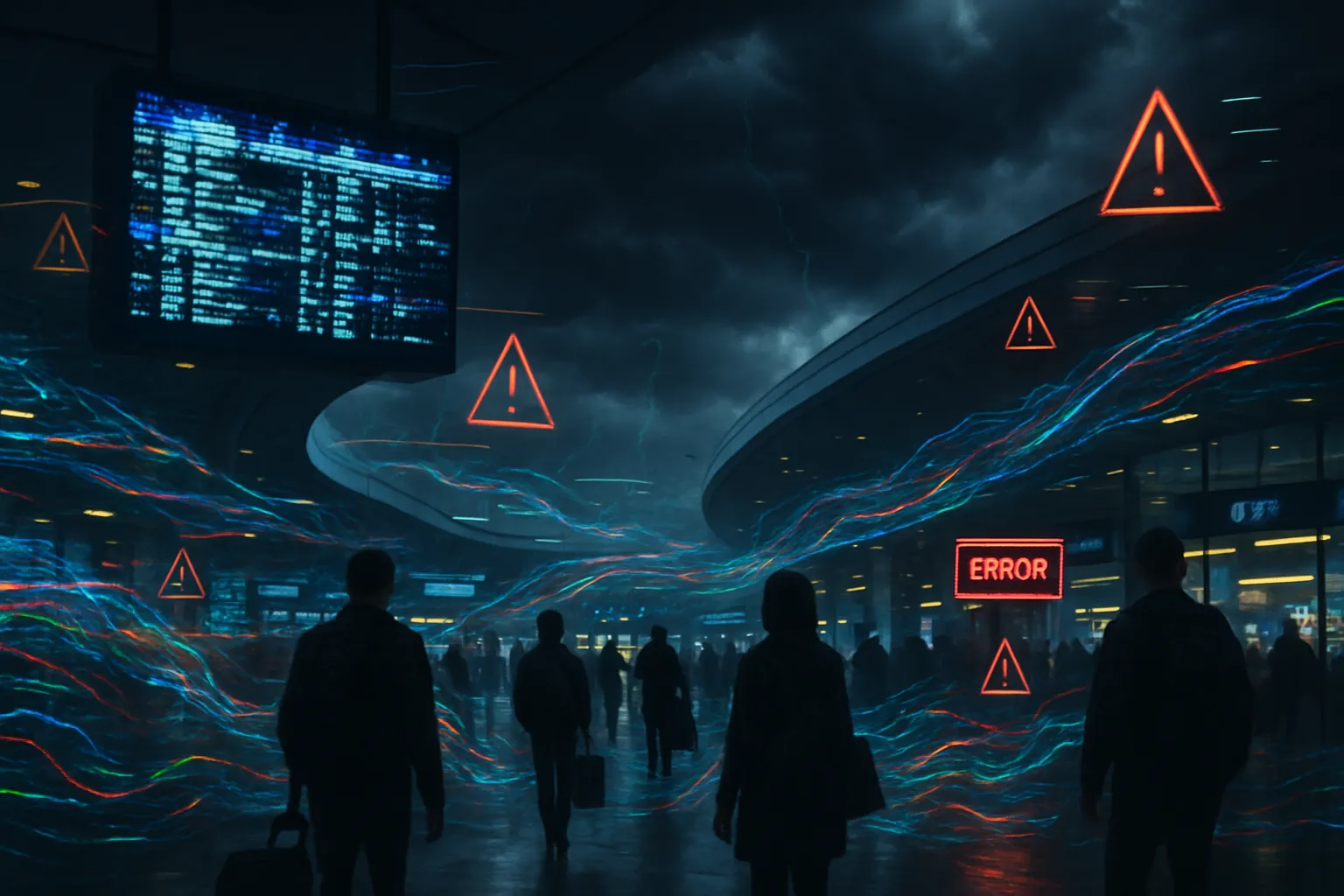
Severe weather patterns, including thunderstorms and heavy rain, have significantly disrupted air travel across the United States, with over 400 flights cancelled and numerous delays reported at major airports, particularly Newark Liberty International Airport and Charlotte Douglas International Airport. On Friday, Newark experienced a critical radar blackout lasting approximately 90 seconds, marking the second such incident within two weeks. This repeated failure underscores ongoing infrastructural vulnerabilities raising safety considerations for air travel.
Over 400 flights were cancelled or delayed at Newark and Charlotte Airports alone, causing significant travel disruptions. Airlines such as Air Canada, American, United, and Southwest, alongside various regional carriers like Republic Airways, GoJet Airlines, and Spirit Airlines, faced substantial operational challenges. Republic Airways was notably affected, cancelling 25% of its flights and delaying another 19%. Spirit Airlines also encountered severe disruptions, with nearly half of its flights either delayed or cancelled.
A statement from an air traffic controller at Newark highlighted the severity of the situation:
“We advise the public to avoid Newark Liberty International Airport if possible. The current conditions are not safe for the flying public following these radar outages.”
In addition to Newark and Charlotte, Savannah/Hilton Head International Airport experienced considerable delays and diversions due to severe weather, directly impacting travel plans within the Coastal Empire and Lowcountry regions. The National Weather Service issued significant weather alerts, including flood watches affecting about four million residents across New York, Connecticut, and Massachusetts.
Technological Breakdowns and Capacity Reductions at Newark
The recent disruptions at Newark Liberty International Airport have prompted intense discussions between airline executives and officials from the U.S. Department of Transportation. Plans are emerging to temporarily reduce flight volumes into Newark to relieve congestion and avoid potential safety risks due to repeated technological failures. Specifically, Newark’s air traffic control system relies largely on data relayed from Philadelphia’s Terminal Radar Approach Control (TRACON) Area C, which recently experienced a telecommunications outage.
This outage at Philadelphia TRACON—responsible for remotely managing Newark’s airspace due to local staffing shortages—has sparked industry-wide concern. Officials are expected to meet soon to voluntarily agree upon scaling back daily flights into Newark, a move intended to provide breathing room to strained infrastructure.
An assessment from industry analysts underscores the growing urgency:
“This latest blackout episode reveals significant weaknesses in infrastructure management. Immediate action by transportation authorities and airlines is necessary to ensure traveler safety and reliability in U.S. air transit.”
The Federal Aviation Administration (FAA) has confirmed its investigation into the telecommunications failure, aiming to prevent future disruptions. Airlines and the FAA remain cautious, monitoring the situation closely and implementing preventive strategies as severe weather continues to impact flight schedules nationally.
Broader Implications of Memorial Day Travel Chaos and REAL ID Confusion
Coinciding with Memorial Day, traditionally one of the busiest travel weekends of the year, the cascading effects of Newark’s technical issues and widespread severe weather have significantly amplified chaos at airports nationwide. The Federal Transportation Security Administration (TSA) cited the implementation of the REAL ID program as another contributing factor to increased delays. Real ID requirements, which necessitate travelers having federally compliant identification to board domestic flights, have caused confusion, lengthening airport security lines and resulting in unexpectedly rejected IDs.
To mitigate disruptions, TSA recommends travelers arrive at least three hours before departure, even for domestic flights. The heightened uncertainty has prompted a surge in travel insurance sales, with online queries up 55% compared to the previous peak season—a significant jump from last summer’s 36% increase. This marked rise reflects public concern over trip cancellations and travel disruptions.
Travel industry analyst Vanessa Green noted the broader impact on tourism:
“The combination of severe weather, infrastructural fragility, and confusing federal policies has created a challenging scenario for travelers nationwide and seriously impacted summer tourism projections.”
While the industry grapples with immediate operational crises, aviation experts emphasize the urgent need for comprehensive improvements to infrastructure, staffing levels, and policy transparency to restore confidence and ensure smoother future travel experiences. This recent turbulence underscores vulnerabilities in an already-stressed aviation system, prompting calls for clearer policies, robust infrastructure investments, and improved crisis management practices ahead of similarly stressful travel periods.