

Trump Signs Legislation to Reverse Energy Efficiency Regulations
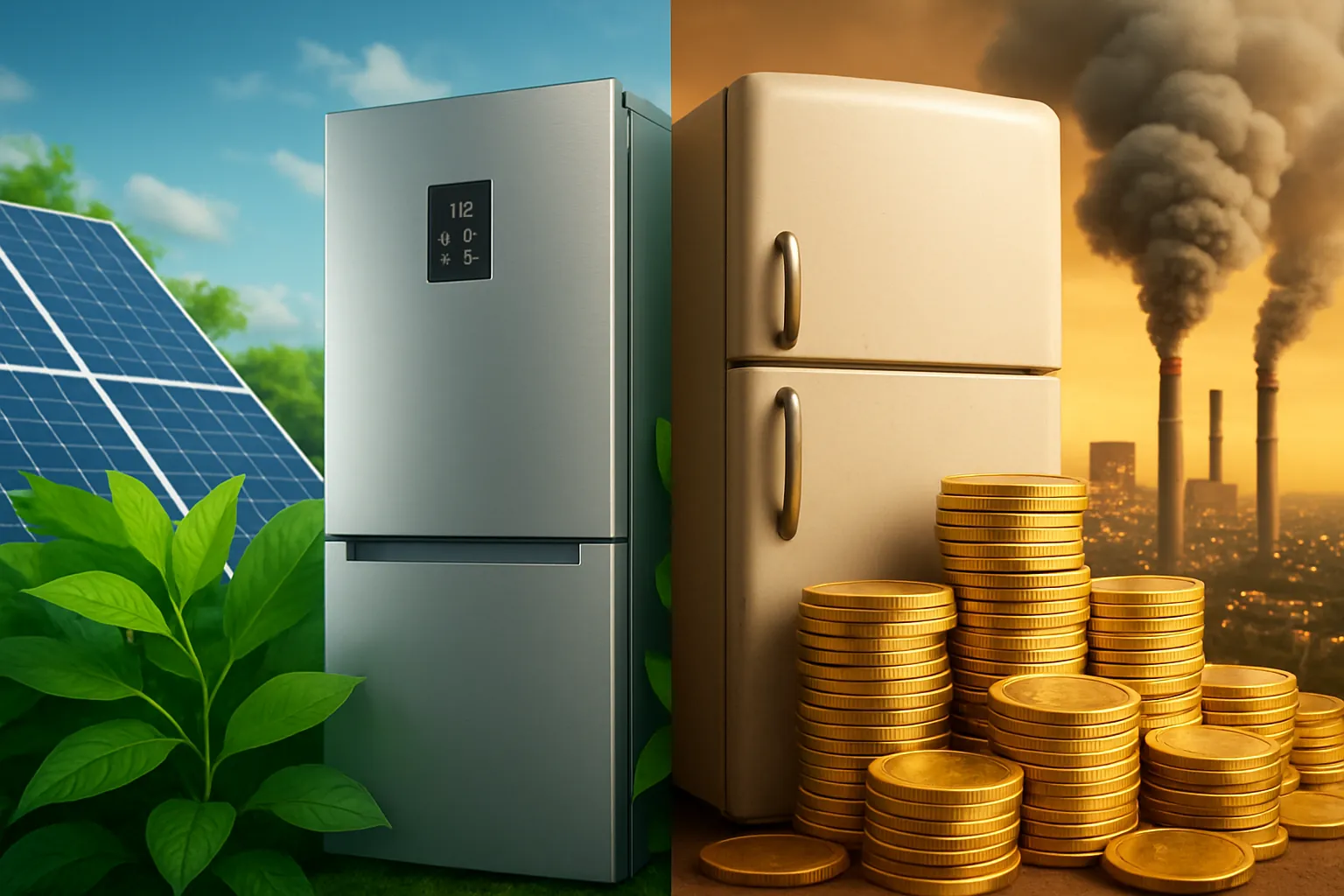
President Donald Trump has signed into law four separate bills aimed at nullifying energy efficiency standards put in place by the Biden administration during its final days. Utilizing the Congressional Review Act, these legislative moves specifically target regulations concerning household and commercial appliances, including gas-powered water heaters, refrigerators, walk-in coolers, and certain labeling requirements. Proponents argue these actions will ease regulatory burdens and lower costs, while critics warn that the rollback may have negative environmental and economic implications.
The Biden-era standards were designed to reduce energy consumption and associated environmental impacts. According to the Department of Energy, the regulations significantly decreased energy usage, reducing water heater energy consumption by 13% and resulting in approximately $3.1 billion in savings for consumers. Commercial facilities, benefiting from more stringent rules on coolers and freezers, reportedly saved around $4.6 billion in utility costs. Despite these findings, Trump and supportive Republican legislators maintain that the rules imposed excessive costs on manufacturers, businesses, and consumers.
“These regulations placed an undue burden on American businesses and families by raising costs and clearing the way for unnecessary government interference,” stated Rep. Craig Goldman (R-TX).
Supporters of the rollback, including Rep. Brian Jack of Georgia, celebrated the preservation of a local factory in his district, saving roughly 300 jobs. Trump himself emphasized these economic benefits during the signing, presenting the repeal as a means to protect and bolster American employment.
Details of the Legislative Action and Public Response
President Trump’s application of the Congressional Review Act—which enables Congress, in conjunction with the executive, to swiftly repeal recent regulations—is a strategic part of his broader policy vision to roll back Biden-era measures. Key targets of this legislative move include regulations on consumer appliances such as gas water heaters, refrigerators, walk-in coolers, and freezers, along with related energy labeling programs. One controversial bill among those signed was sponsored by Reps. Gary Palmer (R-AL) and Brian Jack (R-GA), who asserted it directly contributed to saving American jobs and preventing a factory closure.
Critics and environmental advocacy groups have strongly opposed these developments, contending that long-term benefits for consumers and the environment outweigh short-term cost concerns. Efficiency proponents argue that the lifecycle savings of more efficient appliances typically surpass initial price differences, despite higher upfront costs or slightly longer operation cycles. For instance, high-efficiency washing machines were criticized by the Trump administration for costing around $100 more initially, despite acknowledged long-run cost benefits for consumers.
“Rolling back these standards threatens to increase consumers’ long-term expenses while hindering essential advancements in energy efficiency crucial for mitigating climate change,” said an environmental policy expert in response to the legislation.
Beyond appliances, Trump’s administration also plans to revisit additional energy efficiency standards involving sinks and showerheads. These anticipated regulatory changes indicate Trump’s continued policy approach toward broader deregulation moves impacting energy efficiency mandates imposed during Biden’s presidency.
Historical Context and Broader Implications of Regulatory Changes
The Congressional Review Act, enacted in 1996, provides a swift legislative route for repealing recent executive regulations. Historically, its application has been rare, though Trump utilized it extensively during his first tenure. These recent legislative actions continue a pattern of executive reversal that marked Trump’s previous administration, notable for its deregulation agenda and extensive efforts to minimize federal oversight, particularly in environmental and energy policies.
Previously, Trump rescinded other Biden-era regulations, including those relating to cryptocurrency, methane emissions, and environmental assessments for offshore drilling. These consistent efforts at rollback have profound implications not only for environmental policy but also for economic and consumer welfare debates.
The broader implications of these changes affect national strategy regarding climate policy and energy independence. Proponents of deregulation argue that minimizing federal oversight stimulates economic growth, boosts job creation, and affords greater consumer choice. On the contrary, critics highlight potential setbacks in climate change mitigation, loss of international leadership in climate policy, and higher overall energy costs extending over the long term.
“While the immediate economic benefits are palpable, the long-term environmental and economic effects could reverse years of progress in national energy efficiency and sustainability,” commented a respected policy analyst.
As President Trump continues to dismantle regulations from his predecessor, the debate around these policy decisions offers a window into the divergent views held by contemporary political groups regarding the optimal balance between environmental responsibilities and economic freedoms.